Uncategorized
Air Independent Propulsion: Complete Guide to AIP Submarine Technology

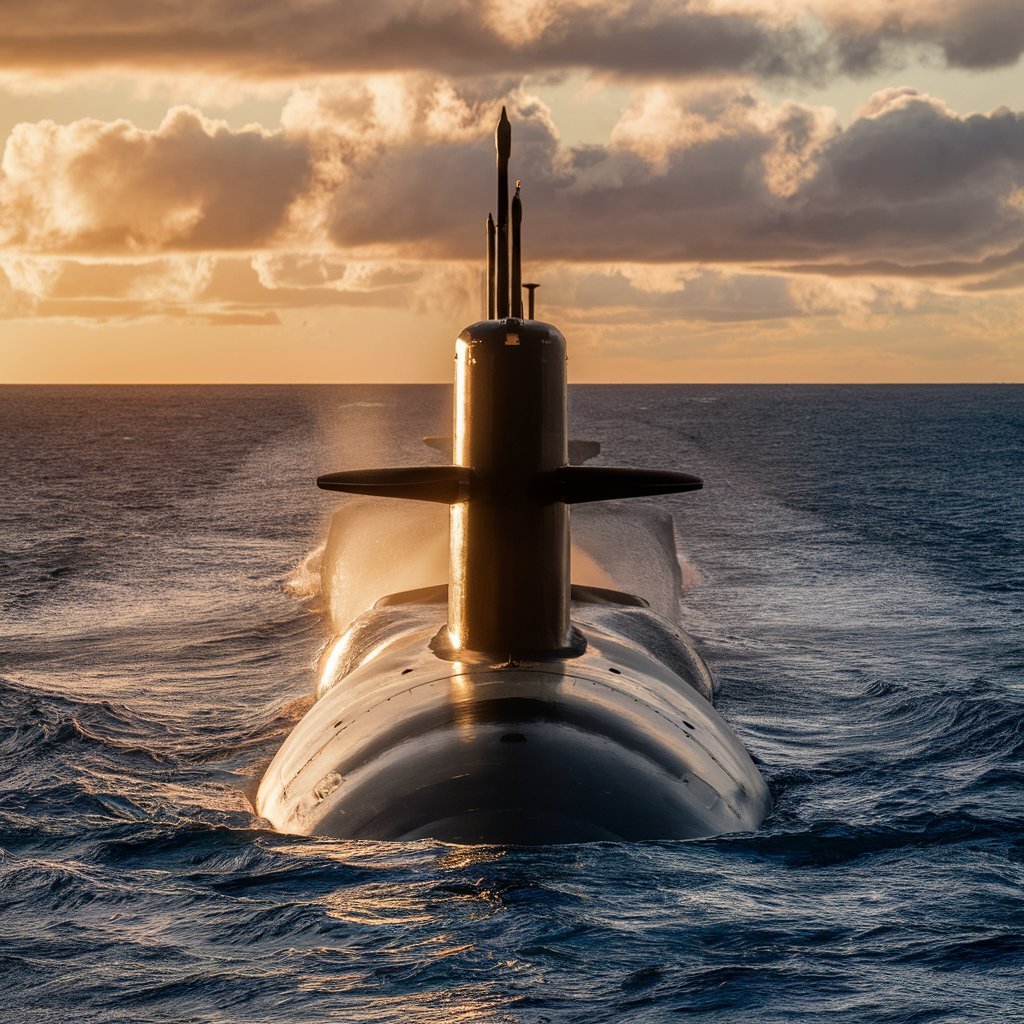
Air Independent Propulsion (AIP) is one of the most significant innovations in modern submarine engineering, allowing conventional submarines to remain submerged for extended periods without relying on atmospheric oxygen. Traditional diesel-electric submarines must surface or use a snorkel regularly to recharge their batteries, making them vulnerable to enemy detection. Air Independent Propulsion systems solve this problem by enabling underwater power generation without requiring fresh air, dramatically improving stealth, endurance, and operational effectiveness.
As naval forces around the world seek more advanced underwater capabilities, Air Independent Propulsion technology has become a critical feature of modern non-nuclear submarines. Countries such as Germany, Sweden, Japan, South Korea, India, China, and others have invested heavily in AIP-equipped submarines because these vessels combine relatively lower operating costs with impressive underwater performance. While they cannot match the virtually unlimited endurance of nuclear-powered submarines, AIP submarines offer an excellent balance between affordability, stealth, and mission capability.
This comprehensive guide explains everything about Air Independent Propulsion, including its working principles, various technologies, advantages, disadvantages, applications, and future developments. Whether you are interested in naval engineering, military technology, or submarine propulsion systems, this article provides an in-depth understanding of how AIP technology is transforming underwater warfare.
What Is Air Independent Propulsion?
Air Independent Propulsion (AIP) is a propulsion technology that enables conventional diesel-electric submarines to generate electrical power while remaining fully submerged without needing oxygen from the atmosphere. Unlike standard diesel engines, which require atmospheric air for combustion, AIP systems rely on alternative energy sources such as stored oxygen, hydrogen fuel cells, Stirling engines, closed-cycle diesel engines, or steam turbines. These technologies provide electricity to power propulsion motors and onboard systems while allowing submarines to stay underwater for several weeks instead of only a few days.
The primary purpose of Air Independent Propulsion is to improve underwater endurance and reduce the frequency of surfacing. Since surfacing or snorkeling significantly increases the risk of detection by enemy radar, satellites, aircraft, and naval forces, minimizing these events greatly enhances a submarine’s survivability. This capability makes AIP submarines particularly valuable for intelligence gathering, coastal defense, anti-submarine warfare, and special operations.
Why Air Independent Propulsion Was Developed
Before the development of AIP technology, diesel-electric submarines depended entirely on battery power while submerged. Once the batteries became depleted, submarines had to surface or extend a snorkel mast above the waterline so diesel engines could recharge the batteries. This process exposed the submarine to detection and limited underwater endurance.
Military planners recognized the need for a propulsion system that would allow conventional submarines to remain submerged for much longer periods without sacrificing stealth. Air Independent Propulsion was developed to address these operational limitations. By generating electricity underwater without atmospheric oxygen, AIP significantly increased underwater endurance while reducing detection risks.
Today, AIP has become one of the defining technologies of modern conventional submarines.
How Air Independent Propulsion Works
The operating principle of Air Independent Propulsion depends on the specific technology being used, but all AIP systems share the same objective: generating electricity underwater without relying on atmospheric air.
Most AIP systems store liquid oxygen onboard, which is carefully managed and combined with various fuels such as hydrogen, diesel fuel, ethanol, or other energy sources. The resulting chemical or thermal processes produce electricity that powers electric motors and onboard systems.
Unlike nuclear submarines, which use nuclear reactors to generate virtually unlimited power, AIP systems provide a moderate but continuous supply of electrical energy. This allows submarines to cruise quietly at low speeds for extended durations while conserving battery reserves.
Because electric propulsion produces less noise than diesel engines, AIP submarines are considerably more difficult for enemy sonar systems to detect.
Types of Air Independent Propulsion Systems
Fuel Cell Air Independent Propulsion
Fuel cell technology is considered one of the most advanced forms of Air Independent Propulsion. Fuel cells generate electricity through an electrochemical reaction between hydrogen and oxygen without combustion. This process is extremely quiet and highly efficient, making fuel cell submarines among the stealthiest conventional submarines in the world.
Fuel cell AIP systems produce minimal heat, low acoustic signatures, and excellent fuel efficiency, making them ideal for covert military operations.
Stirling Engine Air Independent Propulsion
The Stirling engine is an external combustion engine that operates by heating and cooling gas inside sealed cylinders. In submarine applications, stored liquid oxygen supports combustion while diesel fuel provides energy.
Stirling engines have proven reliable and relatively simple to maintain. Although they produce more mechanical noise than fuel cells, they remain highly effective for long-duration underwater missions.
Sweden pioneered the use of Stirling engine technology in operational submarines, and several other navies have adopted this system.
MESMA Air Independent Propulsion
MESMA stands for Module d’Energie Sous-Marine Autonome. This French-developed technology uses steam turbines powered by ethanol and liquid oxygen to generate electricity.
MESMA systems provide greater power output than some alternative AIP technologies, allowing higher underwater speeds. However, they are generally less fuel-efficient and require more complex maintenance.
Closed-Cycle Diesel Engine
Closed-cycle diesel engines modify conventional diesel technology by carrying stored oxygen onboard rather than drawing air from the atmosphere.
Although technically effective, closed-cycle diesel engines have seen relatively limited adoption due to engineering complexity and maintenance requirements compared to newer AIP technologies.
Components of an Air Independent Propulsion System
An Air Independent Propulsion system consists of several integrated components that work together to generate underwater power. These typically include oxygen storage tanks, fuel storage systems, electrical generators, power converters, cooling equipment, control systems, safety monitoring devices, and electric propulsion motors.
Each component must operate reliably under extreme underwater conditions where safety, efficiency, and stealth are critical.
Advantages of Air Independent Propulsion
Air Independent Propulsion offers numerous advantages over conventional diesel-electric propulsion. The most important benefit is significantly increased underwater endurance, allowing submarines to remain submerged for weeks rather than days. This extended endurance greatly enhances mission flexibility while reducing the likelihood of enemy detection.
AIP systems also improve stealth by eliminating the need for frequent snorkeling, which is one of the most vulnerable phases of submarine operations. Since electric propulsion generates relatively little noise, submarines equipped with AIP are much harder to detect using passive sonar systems.
In addition to operational benefits, AIP submarines are generally less expensive to build and operate than nuclear-powered submarines. This makes them attractive options for countries seeking advanced underwater capabilities without the enormous financial investment associated with nuclear propulsion.
Disadvantages of Air Independent Propulsion
Despite its many advantages, Air Independent Propulsion also has limitations. AIP systems produce far less power than nuclear reactors, restricting maximum underwater speed and overall endurance. While AIP significantly extends submerged operations, it cannot support months-long deployments comparable to nuclear submarines.
Some AIP technologies require specialized fuels, liquid oxygen storage, and complex safety systems, increasing engineering complexity and maintenance requirements. Additionally, installation costs can be substantial, particularly when retrofitting older submarines.
Air Independent Propulsion vs Nuclear Propulsion
Air Independent Propulsion and nuclear propulsion represent two distinct approaches to submarine power generation. Nuclear submarines possess unmatched endurance, high sustained speeds, and global deployment capabilities because their reactors require refueling only after many years. However, they are extremely expensive to build, maintain, and operate.
In contrast, AIP submarines offer excellent stealth, lower costs, and high operational effectiveness in coastal waters, regional conflicts, and intelligence missions. Many nations consider AIP submarines the ideal solution when nuclear propulsion is financially or politically impractical.
Countries Using Air Independent Propulsion
Many leading naval powers operate Air Independent Propulsion submarines or have active development programs. Germany has pioneered fuel cell AIP technology, while Sweden is recognized for Stirling engine systems. Japan has operated Stirling engine submarines and has also advanced battery technologies. South Korea, India, China, Spain, Singapore, and several other countries continue investing in AIP-equipped fleets to strengthen their underwater defense capabilities.
Applications of Air Independent Propulsion
Air Independent Propulsion supports a wide range of naval missions, including intelligence gathering, coastal surveillance, anti-submarine warfare, anti-surface warfare, mine laying, special operations, reconnaissance, strategic deterrence, maritime security, and territorial defense. Because AIP submarines can remain hidden underwater for extended periods, they are exceptionally effective for covert operations.
Future of Air Independent Propulsion
The future of Air Independent Propulsion technology is closely linked with advancements in fuel cells, lithium-ion batteries, hydrogen storage, artificial intelligence, automation, and energy management systems. Researchers continue to improve system efficiency, reduce acoustic signatures, and increase operational endurance. Hybrid propulsion systems combining advanced batteries with AIP technologies are expected to become increasingly common, offering even greater underwater performance and flexibility.
As naval modernization programs continue worldwide, Air Independent Propulsion is expected to remain a vital technology for conventional submarines. Ongoing innovation will likely make future AIP systems quieter, safer, more efficient, and more capable of supporting complex underwater missions.
Conclusion
Air Independent Propulsion has transformed conventional submarine operations by dramatically extending underwater endurance while preserving the stealth that is essential for modern naval warfare. Through technologies such as fuel cells, Stirling engines, MESMA, and closed-cycle diesel engines, AIP systems enable submarines to conduct longer missions with reduced exposure to enemy detection. Although AIP cannot match the virtually unlimited endurance of nuclear propulsion, it provides a highly effective and cost-efficient solution for many navies around the world.
As technological advancements continue in energy storage, fuel cell efficiency, automation, and hybrid propulsion, Air Independent Propulsion will remain a cornerstone of next-generation conventional submarine design. Its combination of affordability, stealth, and operational effectiveness ensures that AIP technology will continue to play a major role in maritime defense and underwater engineering for years to come.
Frequently Asked Questions (FAQs)
1. What is Air Independent Propulsion?
Air Independent Propulsion is a submarine propulsion technology that allows conventional submarines to generate electricity underwater without using atmospheric oxygen.
2. How does an Air Independent Propulsion system work?
It uses stored oxygen and alternative power-generation technologies such as fuel cells, Stirling engines, MESMA, or closed-cycle diesel engines to produce electricity while submerged.
3. What are the main advantages of Air Independent Propulsion?
The primary advantages include longer underwater endurance, enhanced stealth, reduced detection risk, improved operational flexibility, and lower costs compared to nuclear submarines.
4. Which countries use Air Independent Propulsion submarines?
Several countries operate AIP submarines, including Germany, Sweden, Japan, South Korea, India, China, Singapore, and Spain.
5. Is Air Independent Propulsion better than nuclear propulsion?
Neither is universally better. Nuclear propulsion offers greater speed and endurance, while Air Independent Propulsion provides excellent stealth and lower acquisition and operating costs for conventional submarines.
6. What is the most advanced Air Independent Propulsion technology?
Fuel cell-based AIP systems are generally considered the most advanced because they are highly efficient, extremely quiet, and produce minimal heat and acoustic signatures.
7. How long can an AIP submarine remain underwater?
Depending on the submarine design, mission profile, and AIP technology, many AIP-equipped submarines can remain submerged for approximately two to three weeks without snorkeling.
8. What is the future of Air Independent Propulsion?
Future developments include improved fuel cells, advanced lithium-ion battery integration, hydrogen storage innovations, AI-assisted energy management, and hybrid propulsion systems that further enhance underwater endurance and stealth.



Chevrolet Hybrid SUV: Complete Guide to Chevy Hybrid Options, EV Alternatives, and What to Expect

ACEBOTT ESP32 With IR Sensor: How It Works, Wiring, Programming, and Projects

Smoke Alarm Chirp: Why It Happens and How to Stop It Safely

Cleveland Daily Banner Obituaries: A Complete Guide to Finding Recent Death Notices, Archived Records, and Memorial Tributes

104.7 Contest: Complete Guide to Enter, Rules, Prizes, and Winning Tips

Tech FeedBuzzard: The Ultimate Guide to Technology News, AI, Gadgets, and Digital Innovation
 Tech4 months ago
Cleveland Daily Banner Obituaries: A Complete Guide to Finding Recent Death Notices, Archived Records, and Memorial Tributes
- Tech4 months ago
104.7 Contest: Complete Guide to Enter, Rules, Prizes, and Winning Tips
- Technology4 months ago
Tech FeedBuzzard: The Ultimate Guide to Technology News, AI, Gadgets, and Digital Innovation
- Fashion4 months ago
Trendy Designs: The Ultimate Guide to Modern Style and Creative Inspiration
- Entertainment4 months ago
Basket Random GitHub: Complete Guide to Source Code, Gameplay, Development, and Open-Source Projects
- fitness4 months ago
H1: ABS Testauslösung – Funktion, Ursachen, Diagnose und Lösungen einfach erklärt
- Blog3 months ago
Poncho Pikachu: The Complete Guide to Pokémon’s Most Adorable and Valuable Collectible
- Entertainment4 months ago
Basketball Random.GitHub: The Complete Guide to Random Basketball Generators