
Blog
H1: 808 Area Code: Location, History, Time Zone, Cities, and Everything You Need to Know

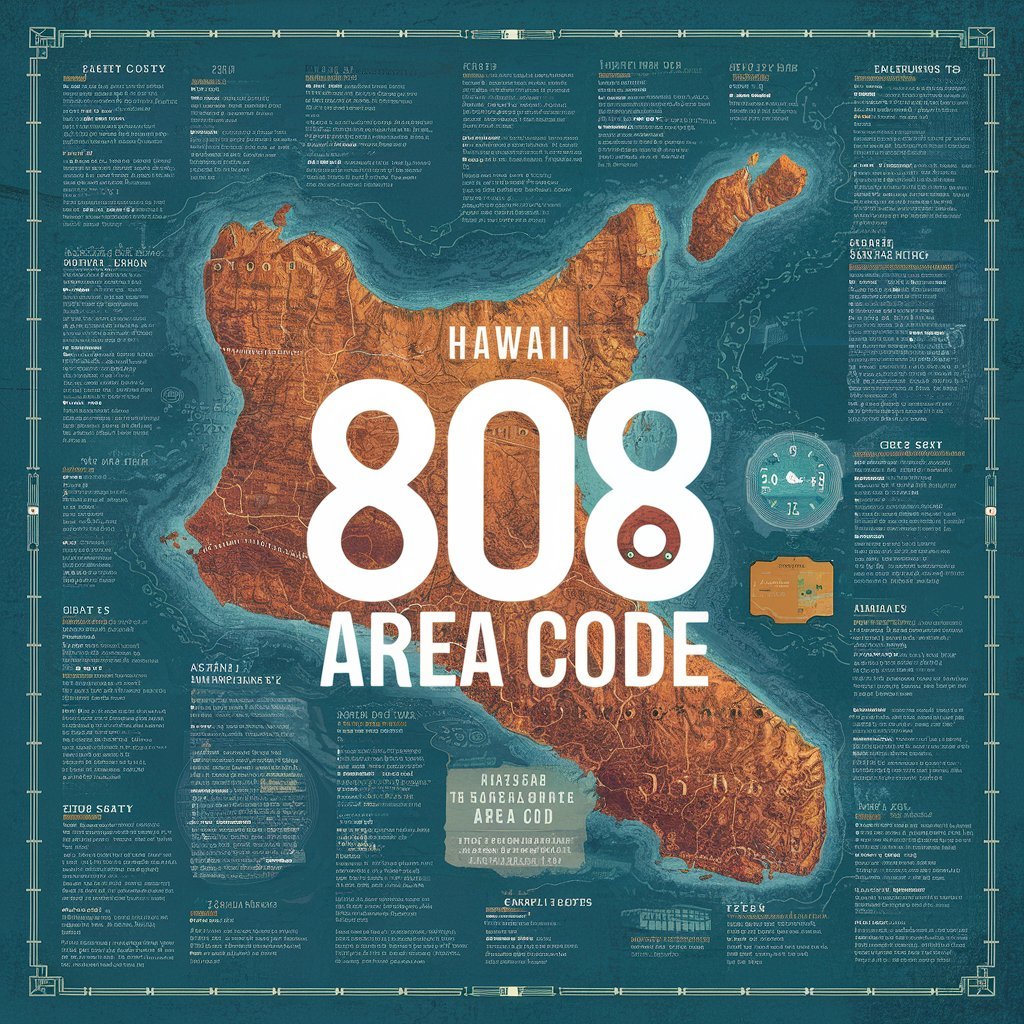
The 808 area code is one of the most recognizable telephone area codes in the United States because it serves the beautiful Hawaiian Islands. Whether you recently received a call from an 808 phone number, plan to travel to Hawaii, want to establish a local business presence, or simply want to learn more about this iconic area code, understanding how it works can help you make informed decisions. Unlike many states that use multiple area codes, Hawaii is unique because the 808 area code covers the entire state, making it one of the easiest area codes to recognize.
Since its introduction decades ago, the 808 area code has become closely associated with Hawaii’s culture, tourism, businesses, and residents. Millions of travelers, companies, and customers encounter 808 phone numbers every year. This comprehensive guide explains the 808 area code location, the cities and islands it covers, its history, time zone, benefits for businesses, how to obtain an 808 number, common scam warnings, and answers to frequently asked questions.
What Is the 808 Area Code?
The 808 area code is the official telephone area code assigned to the entire state of Hawaii under the North American Numbering Plan (NANP). Every landline, mobile phone, government office, educational institution, and business operating in Hawaii uses an 808 phone number.
Unlike states such as California, Texas, or Florida that require numerous area codes because of their large populations, Hawaii’s relatively smaller population allows the entire state to operate efficiently under a single area code. This makes the 808 area code one of the simplest and most recognizable area codes in America.
Whenever you receive a call beginning with (808), the number is associated with Hawaii, although modern technologies like VoIP and virtual phone systems mean the caller may not necessarily be physically located there.
Where Is the 808 Area Code Located?
The 808 area code location includes every Hawaiian island and county. It covers all residential, commercial, government, and mobile phone numbers throughout the state.
Major areas covered include:
- Honolulu
- Oahu
- Maui
- Kauai
- Hawaii (Big Island)
- Molokai
- Lanai
- Niihau
- Kahoolawe
Because the entire state uses one area code, people across every island share the same dialing prefix.
Cities Covered by the 808 Area Code
The 808 area code serves nearly every city and town in Hawaii. Some of the most populated areas include:
Honolulu
Honolulu is Hawaii’s capital city and the state’s largest metropolitan area. It is the center of government, finance, education, tourism, and international business. Most government agencies, universities, and major corporations use 808 numbers.
Hilo
Located on the Big Island, Hilo is famous for its lush rainforests, waterfalls, and proximity to volcanoes. Businesses, schools, and residents all use the 808 area code.
Kailua-Kona
Kailua-Kona is a popular tourist destination known for its beaches, resorts, and coffee farms. Local companies and tourism-related businesses operate using 808 phone numbers.
Kahului
Situated on Maui, Kahului is the island’s primary commercial center and transportation hub. Most businesses serving Maui use the 808 area code.
Lihue
Lihue is Kauai’s county seat and serves as the island’s governmental and commercial center.
Pearl City
Pearl City is one of Oahu’s largest residential communities and is also served by the 808 area code.
History of the 808 Area Code
The 808 area code was introduced in 1957 when Hawaii was still a U.S. territory. It became part of the North American Numbering Plan before Hawaii officially became the 50th state in 1959.
For decades, the area code has remained unchanged despite population growth and advances in telecommunications. Careful number management has allowed Hawaii to continue using a single statewide area code while many mainland states have added overlays and new area codes.
Today, 808 remains one of the few statewide area codes still in use in the United States.
Time Zone of the 808 Area Code
The 808 area code follows the Hawaii-Aleutian Standard Time (HST).
Key facts include:
- UTC −10:00
- Hawaii does not observe Daylight Saving Time.
- Time remains consistent throughout the year.
For businesses communicating with mainland customers, understanding the time difference is important because Hawaii can be several hours behind other U.S. states depending on the season.
Why the 808 Area Code Is So Popular
The 808 area code is recognized around the world because Hawaii is one of the world’s leading tourist destinations. Millions of visitors see 808 numbers on hotels, airlines, tour operators, restaurants, government offices, and local businesses.
Beyond tourism, the number has also become part of Hawaiian identity. Many residents proudly associate 808 with island culture, community, and local pride.
Benefits of Having an 808 Phone Number
Businesses often obtain an 808 phone number to establish a local presence in Hawaii. Customers tend to trust local numbers more than unfamiliar out-of-state phone numbers.
Benefits include:
- Increased customer trust
- Stronger local business identity
- Improved response rates
- Easier communication with Hawaiian customers
- Professional appearance for remote companies
Virtual phone providers now make it possible for businesses outside Hawaii to acquire an 808 number while answering calls from anywhere.
Can You Get an 808 Area Code Number?
Yes. Many telecommunications providers and cloud-based phone services offer virtual 808 numbers.
The process generally involves selecting a provider, checking number availability, choosing a local Hawaii number, and activating service. Once activated, calls can be forwarded to mobile phones, office phones, or computers regardless of your physical location.
This option is especially useful for businesses serving Hawaiian customers without maintaining a physical office on the islands.
Is Every 808 Number Located in Hawaii?
Not necessarily.
Although every 808 number belongs to Hawaii’s numbering system, modern internet-based phone services allow people to use Hawaii phone numbers from virtually anywhere in the world.
This means a caller using an 808 number could be traveling, working remotely, or using a virtual phone system outside Hawaii.
Common 808 Area Code Scams
Like every area code, the 808 area code can sometimes appear in fraudulent calls. Scammers occasionally spoof local numbers to increase the likelihood that people answer their phones.
Common scams include:
IRS Impersonation
Scammers pretend to represent government agencies and demand immediate payment.
Bank Fraud
Callers claim suspicious activity occurred on your account and request sensitive information.
Tech Support Scams
Fake support representatives convince victims to install remote software.
Prize Scams
Victims are informed they have won a prize but must pay fees first.
Robocalls
Automated systems advertise products or attempt to collect personal information.
How to Protect Yourself from Scam Calls
Protecting yourself is relatively simple if you follow good security practices.
Never provide Social Security numbers, banking details, passwords, or verification codes during unexpected phone calls. If someone claims to represent a company, hang up and call the organization’s official customer service number directly.
Blocking suspicious numbers and enabling spam protection features on your smartphone can also significantly reduce unwanted calls.
How to Identify an 808 Phone Number
A typical Hawaii phone number appears as:
(808) 555-1234
The first three digits identify the Hawaii area code, while the remaining seven digits identify the specific subscriber.
Business Advantages of an 808 Number
Companies operating in tourism, hospitality, real estate, healthcare, legal services, and customer support often benefit from using an 808 phone number because it creates familiarity among local customers.
Local numbers frequently improve marketing campaigns, online advertising performance, and customer confidence, particularly when targeting Hawaiian residents.
Interesting Facts About the 808 Area Code
One fascinating aspect of the 808 area code is that it covers every inhabited Hawaiian island, making it unique among U.S. states. It has remained unchanged since the 1950s despite decades of technological advancements and population growth. The number “808” has also become a cultural symbol that appears in music, clothing, businesses, and local branding, representing Hawaii far beyond its role as a telephone prefix. Because Hawaii does not observe Daylight Saving Time, 808 numbers remain on the same local time throughout the year, simplifying communication within the islands.
Conclusion
The 808 area code is far more than just a telephone prefix. It represents the entire state of Hawaii and serves millions of residents, businesses, government organizations, and visitors across every island. From Honolulu to Hilo, Maui to Kauai, every official Hawaii phone number begins with 808, making it one of the most recognizable area codes in the United States. Whether you are looking for information about its location, history, time zone, business advantages, or methods for obtaining an 808 number, understanding this area code helps you communicate more effectively with people and organizations throughout Hawaii. As technology continues to evolve, the 808 area code remains a lasting symbol of Hawaiian identity and a trusted point of connection for both residents and visitors.
Frequently Asked Questions (FAQs)
1. Where is the 808 area code located?
The 808 area code covers the entire state of Hawaii, including all major islands and cities.
2. What cities use the 808 area code?
Major cities include Honolulu, Hilo, Kahului, Kailua-Kona, Lihue, Pearl City, and many others throughout Hawaii.
3. What time zone is the 808 area code in?
The 808 area code uses Hawaii-Aleutian Standard Time (HST), UTC−10:00, and Hawaii does not observe Daylight Saving Time.
4. Can I get an 808 phone number if I don’t live in Hawaii?
Yes. Many VoIP and virtual phone service providers offer 808 numbers regardless of your physical location.
5. Is the 808 area code only for mobile phones?
No. It is used for landlines, mobile phones, businesses, government offices, and organizations throughout Hawaii.
6. Are calls from the 808 area code always legitimate?
No. While many calls are genuine, scammers can spoof 808 numbers. Always verify unexpected callers before sharing personal information.
7. Why does Hawaii have only one area code?
Hawaii’s population has remained small enough that a single statewide area code has been sufficient to meet demand.
8. When was the 808 area code created?
The 808 area code was introduced in 1957 as part of the North American Numbering Plan.
9. Does the 808 area code cover every Hawaiian island?
Yes. It covers Oahu, Maui, Kauai, Hawaii (Big Island), Molokai, Lanai, Niihau, Kahoolawe, and other inhabited areas.
10. Why is the 808 area code so well known?
It is famous because it represents Hawaii, one of the world’s most popular travel destinations, and has become a symbol of Hawaiian culture and identity.
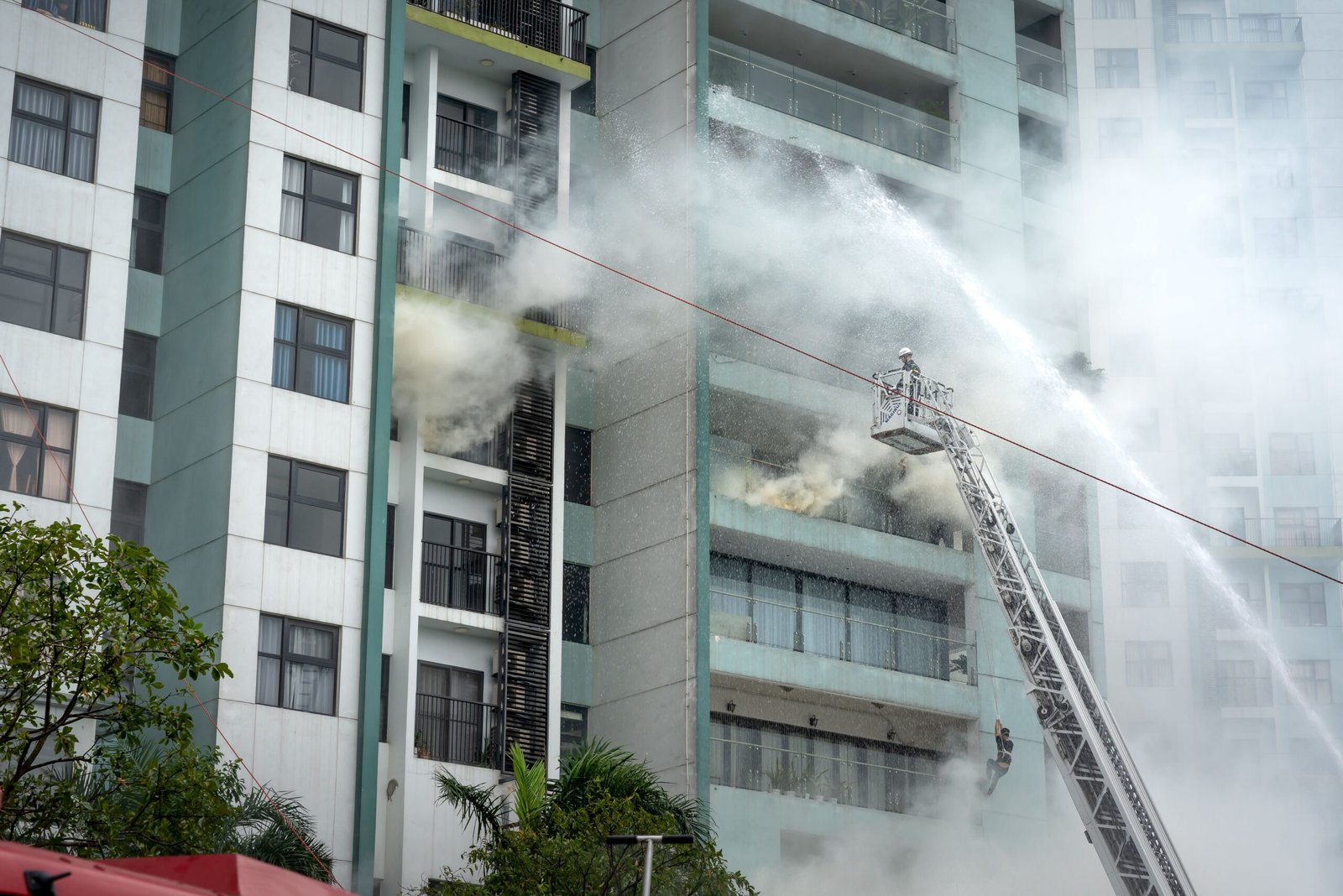
A smoke alarm chirp can be one of the most frustrating sounds in a home, especially when it starts during the middle of the night. A single short chirp every few seconds or minutes may seem insignificant compared with the loud continuous alarm produced during a fire, but it should not simply be ignored. In most cases, a periodic chirp is the smoke alarm telling you that something needs attention. The cause may be as simple as a weak battery, but other possibilities include a battery that has not been installed correctly, dust or debris inside the alarm, a power interruption, an issue with a hardwired connection, environmental conditions, or an alarm that has reached the end of its service life. Understanding what the sound means can help you troubleshoot the problem without accidentally disabling an important safety device.
The first thing to remember is that a chirping smoke alarm is different from a smoke alarm sounding continuously because it detects smoke. A continuous alarm or repeated loud alarm pattern should always be treated seriously, and you should immediately check for smoke or fire and follow your household fire-escape plan. A periodic chirp, on the other hand, is commonly associated with a maintenance or fault condition, although the exact meaning depends on the manufacturer and model. Because smoke alarms can use different sound patterns and warning codes, checking the instructions for your specific alarm is always the safest approach. This guide explains the most common reasons for a smoke alarm chirp, practical troubleshooting steps, situations where replacing the alarm may be necessary, and important safety precautions to keep in mind.
What Does a Smoke Alarm Chirp Mean?
A smoke alarm chirp generally indicates that the device has detected a condition requiring attention rather than an active fire. One of the most common reasons is a low battery. Battery-powered smoke alarms are designed to provide an audible warning when the battery voltage becomes too low for reliable operation. Depending on the model, the alarm may chirp at regular intervals for days or weeks before the battery becomes completely depleted. This feature is useful because a smoke alarm that cannot maintain adequate battery power may not provide the protection you expect when it is needed.
However, a low battery is not the only explanation for a smoke alarm chirp. Some alarms can chirp because of an internal fault, an improperly installed battery, dust accumulation, power interruption, or another maintenance condition. Hardwired smoke alarms can also produce a chirping sound even though they are connected to household electrical power because many models have a backup battery. If the backup battery becomes weak, the alarm can begin chirping just like a battery-powered unit. This is why replacing the backup battery can sometimes solve a chirping problem even when the smoke alarm is connected directly to the electrical system.
Why Is My Smoke Alarm Chirping?
The most common explanation for a smoke alarm chirp is a low or depleted battery. If the alarm has been operating for a long time without a battery change, replacing the battery is one of the first maintenance steps to consider. Use the battery type specified by the manufacturer and make sure it is inserted in the correct orientation. Some newer smoke alarms use sealed batteries that are not intended to be replaced by the homeowner, so always follow the instructions for your particular model rather than forcing the alarm open or attempting to modify it.
Another possible cause is that the battery compartment is not completely closed or the battery is not making proper contact with the terminals. Even a new battery may fail to resolve the problem if it is incorrectly positioned or if the alarm’s battery compartment has not been properly secured. After installing a replacement battery, some alarms require a test or reset procedure. Follow the manufacturer’s instructions and use the test button to confirm that the alarm is functioning correctly. If the chirping continues after a proper battery replacement and reset, there may be another issue that requires further troubleshooting.
Dust and small particles can also affect a smoke alarm. Smoke alarms contain sensors that need to detect particles in the air, and accumulated dust or debris can interfere with their operation. A dusty alarm may produce unexpected warning sounds or become more prone to nuisance alarms. Keeping the exterior and sensor openings clean according to the manufacturer’s instructions can help maintain reliable operation. Avoid spraying cleaning products directly into the alarm, soaking it with liquid, or using methods that could damage the sensing chamber or electronic components.
Smoke Alarm Chirping Every 30 Seconds: What Does It Mean?
If your smoke alarm is chirping every 30 seconds, the sound may be a maintenance warning, but the exact meaning varies between manufacturers and models. Many alarms use a periodic chirp to indicate a low battery, while others may use different intervals or sound patterns to identify additional conditions. Because there is no universal chirp code that applies to every smoke alarm, it is better not to assume that a specific interval always means the same thing.
Start by identifying the alarm’s manufacturer and model number. The information may be printed on the front, back, side, or inside the battery compartment. Once you know the model, consult the manufacturer’s instructions to determine what the particular chirping pattern represents. This approach is more reliable than guessing based solely on the frequency of the sound. If the alarm is old, damaged, or continues chirping despite following the manufacturer’s troubleshooting instructions, replacement may be more appropriate than repeatedly attempting temporary fixes.
How to Stop a Smoke Alarm Chirp
The safest way to stop a smoke alarm chirp is to identify and correct the condition causing it rather than simply silencing the device. Begin by determining whether the sound is actually a periodic chirp or a full alarm. If there is smoke, a burning smell, visible fire, or another indication of an emergency, leave the area and contact emergency services according to your local procedures. Never assume that a loud alarm is merely a low-battery warning.
If there is no indication of fire and the alarm is producing a periodic chirp, check the battery if the model has a replaceable battery. Replace it with the correct type recommended by the manufacturer. Make sure the battery is seated correctly and that the compartment is fully closed. Then use the test button according to the manufacturer’s instructions. If your smoke alarm is hardwired, do not attempt to disconnect household wiring yourself simply to stop the noise. Hardwired alarms can contain backup batteries and may also be interconnected with other alarms in the home, so troubleshooting should follow the manufacturer’s instructions and applicable electrical-safety requirements.
If a new battery does not solve the problem, inspect the alarm for obvious dust or debris and clean it only as recommended by the manufacturer. Check whether the alarm has reached the end of its recommended service life. Smoke alarms are not designed to operate indefinitely, and an older unit may need replacement even if its battery is functioning properly. If the alarm continues to chirp after appropriate maintenance, replacing the unit with a compatible, approved smoke alarm may be the most practical solution.
Why Does My Smoke Detector Chirp at Night?
A smoke detector chirping at night can seem especially mysterious because the alarm may appear to work normally during the day. One reason people notice this more at night is that the house is quieter, making a periodic chirp much easier to hear. Temperature and environmental changes can also affect certain alarms, although the specific behavior depends on the device. A battery that is already approaching the end of its useful life may become more noticeable when the alarm begins producing its low-battery warning.
If you hear a chirp at night, resist the temptation to remove the battery and leave the alarm disabled until morning. Instead, determine whether there is any immediate indication of smoke or fire. If there is no emergency, follow the manufacturer’s troubleshooting instructions and replace a replaceable battery if appropriate. If you cannot identify the cause, it is better to investigate the alarm or have it checked rather than permanently disabling it. A smoke alarm that has been silenced or disconnected cannot provide its intended protection.
Can a Hardwired Smoke Alarm Chirp?
Yes, a hardwired smoke alarm can chirp. Being connected to household electricity does not necessarily mean the alarm has no battery. Many hardwired smoke alarms include a backup battery so they can continue operating during a power outage. If that backup battery becomes weak, the alarm may begin chirping even though the home’s electrical power appears normal.
Power interruptions can also be relevant. A brief interruption or electrical event may cause certain hardwired alarms to produce a warning sound. Interconnected systems can make troubleshooting more complicated because multiple alarms may communicate with one another. If several alarms are involved, consult the installation and troubleshooting instructions for the system rather than randomly disconnecting individual units. When electrical wiring or installation is involved and you are uncertain about what to do, using a qualified professional is safer than experimenting with household wiring.
What If the Smoke Alarm Still Chirps After a New Battery?
A new battery does not always solve a smoke alarm chirp. If the battery is definitely the correct type and is installed correctly, the next possibilities include contamination, a power issue, an internal fault, an installation problem, or an alarm that has reached the end of its service life. Some alarms also require a reset procedure after battery replacement, so checking the model-specific instructions is important.
If cleaning and resetting the alarm according to the manufacturer’s instructions do not stop the chirping, check its age and condition. Smoke alarms have a limited service life, and an old unit may need to be replaced rather than repaired. Look for the manufacture date or replacement information on the alarm itself. If the device is damaged, discolored, repeatedly malfunctioning, or otherwise unreliable, replacement is generally preferable to continuing to rely on it.
How to Clean a Chirping Smoke Alarm
Dust can accumulate around the openings of a smoke alarm over time, particularly in areas where airborne particles are common. Cleaning the device can therefore be part of routine smoke alarm maintenance, but it should be done carefully. Follow the manufacturer’s cleaning instructions and use only methods that are approved for that specific model. The goal is to remove dust and debris without introducing moisture or damaging the sensing mechanism.
Do not paint over a smoke alarm, cover its openings, spray chemicals directly into it, or deliberately obstruct its sensor. These actions can interfere with its ability to detect smoke. If the alarm continues to behave abnormally after appropriate cleaning, the problem may not be contamination at all. In that situation, checking the manufacturer’s troubleshooting guidance or replacing an outdated unit may be more appropriate.
When Should You Replace a Smoke Alarm?
A smoke alarm should be replaced when it reaches the end of the service life specified by its manufacturer, even if it appears to be working normally. Electronic components and sensing technology can deteriorate over time, meaning an old alarm should not necessarily be considered reliable simply because its test button still produces a sound. The exact replacement interval can vary by product and manufacturer, so check the instructions and labeling for your model.
You should also consider replacement if the alarm repeatedly chirps or malfunctions after you have followed the manufacturer’s troubleshooting procedures. Physical damage, corrosion, persistent false alarms, or other signs of deterioration are additional reasons to evaluate whether a replacement is needed. When buying a new unit, select an approved smoke alarm appropriate for the location and installation requirements of your home, and follow the manufacturer’s instructions carefully.
Smoke Alarm Chirp vs. a Real Smoke Alarm
Understanding the difference between a maintenance chirp and an emergency alarm is extremely important. A short periodic chirp often indicates a condition such as low battery or another maintenance issue, while a loud alarm pattern can indicate that the detector has sensed smoke or another condition specified by the manufacturer. However, sound patterns differ between models, so you should learn the alarm signals for the specific devices installed in your home.
Never ignore an alarm simply because you believe it is probably a battery warning. If the alarm sounds continuously or you notice smoke, heat, flames, or a burning odor, treat the situation as a potential fire emergency. Get everyone to safety and follow your local emergency procedures. Smoke alarms are designed to provide an early warning, and responding promptly is much more important than trying to determine the exact cause while remaining inside a potentially dangerous environment.
Tips to Prevent Smoke Alarm Chirping
Regular maintenance can reduce the likelihood of unexpected smoke alarm chirping. Check your alarms according to the manufacturer’s recommendations, keep them free of visible dust and debris, and replace batteries when required. It is also useful to become familiar with the sound patterns and test procedures for the alarms installed in your home. Keeping track of the age of each alarm can help you remember when replacement may be necessary.
Avoid removing batteries simply because an alarm is inconvenient or produces nuisance sounds. If a smoke alarm repeatedly activates without an obvious cause, investigate the reason rather than permanently disabling it. Cooking fumes, steam, dust, and other environmental factors can contribute to nuisance alarms depending on where the device is installed. If a location repeatedly causes problems, consult the manufacturer’s installation guidance to determine whether the alarm is positioned appropriately.
Conclusion
A smoke alarm chirp is usually a warning that your smoke alarm needs attention, and the most common cause is a low or depleted battery. However, battery replacement is not always the complete answer. Dust, incorrect battery installation, power interruptions, backup batteries in hardwired systems, internal faults, and an alarm reaching the end of its service life can also contribute to persistent chirping. The safest approach is to identify the alarm model, follow the manufacturer’s instructions, correct the underlying problem, and make sure the alarm remains operational.
Most importantly, never confuse a periodic maintenance chirp with a potential fire emergency. If you hear a loud alarm and there are signs of smoke or fire, prioritize getting yourself and others to safety rather than troubleshooting the device. A properly maintained smoke alarm is an important part of home fire protection, so a persistent chirp should be treated as a reason to inspect and maintain the alarm rather than simply silence it.
Frequently Asked Questions About Smoke Alarm Chirp
1. Why is my smoke alarm chirping?
The most common cause is a low battery, but a smoke alarm can also chirp because of an incorrectly installed battery, dust, a power interruption, an internal fault, or an alarm that needs replacement. Check the manufacturer’s instructions for your specific model.
2. How do I stop a smoke alarm from chirping?
If there is no sign of fire, start by checking the battery and replacing it with the manufacturer-recommended type if it is replaceable. Make sure it is installed correctly and follow the manufacturer’s reset and testing instructions. If chirping continues, investigate other maintenance issues or consider replacing an old alarm.
3. Why does my smoke alarm chirp every 30 seconds?
A periodic chirp can indicate a low battery or another maintenance condition, but the exact meaning varies by manufacturer and model. Check the instructions for your specific alarm rather than assuming that every 30-second chirp has the same meaning.
4. Why is my smoke detector chirping at night?
A chirp may become more noticeable at night because the surrounding environment is quieter. A weak battery or another warning condition may be responsible. Check the alarm’s battery and manufacturer-specific troubleshooting instructions.
5. Can a hardwired smoke alarm chirp?
Yes. Many hardwired smoke alarms have backup batteries, and a weak backup battery can cause chirping. Hardwired alarms can also produce warnings related to power or system conditions.
6. What if my smoke alarm keeps chirping after I change the battery?
Check that the replacement battery is the correct type and installed properly. Follow the manufacturer’s reset procedure and inspect the alarm for dust or other maintenance issues. If the chirping continues, the alarm may need replacement or professional evaluation.
7. Should I remove the battery from a chirping smoke alarm?
You should not leave a smoke alarm disabled simply to stop the chirping. Determine the cause and correct it as soon as possible. If there is any indication of smoke or fire, leave the area and follow your emergency procedures.
8. How often should smoke alarms be replaced?
Follow the replacement interval specified by the manufacturer and the applicable safety guidance for your location. Smoke alarms have a limited service life, so an old alarm should be replaced even if it still appears to function.
9. Can dust cause a smoke alarm to chirp?
Dust or debris can interfere with smoke alarm operation and may contribute to nuisance alarms or other abnormal behavior. Clean the alarm only according to the manufacturer’s instructions and never block or cover its sensing openings.
10. Is a smoke alarm chirp always a low battery?
No. A low battery is common, but chirping can have several causes. The manufacturer’s documentation is the best source for interpreting the specific sound pattern produced by your alarm.

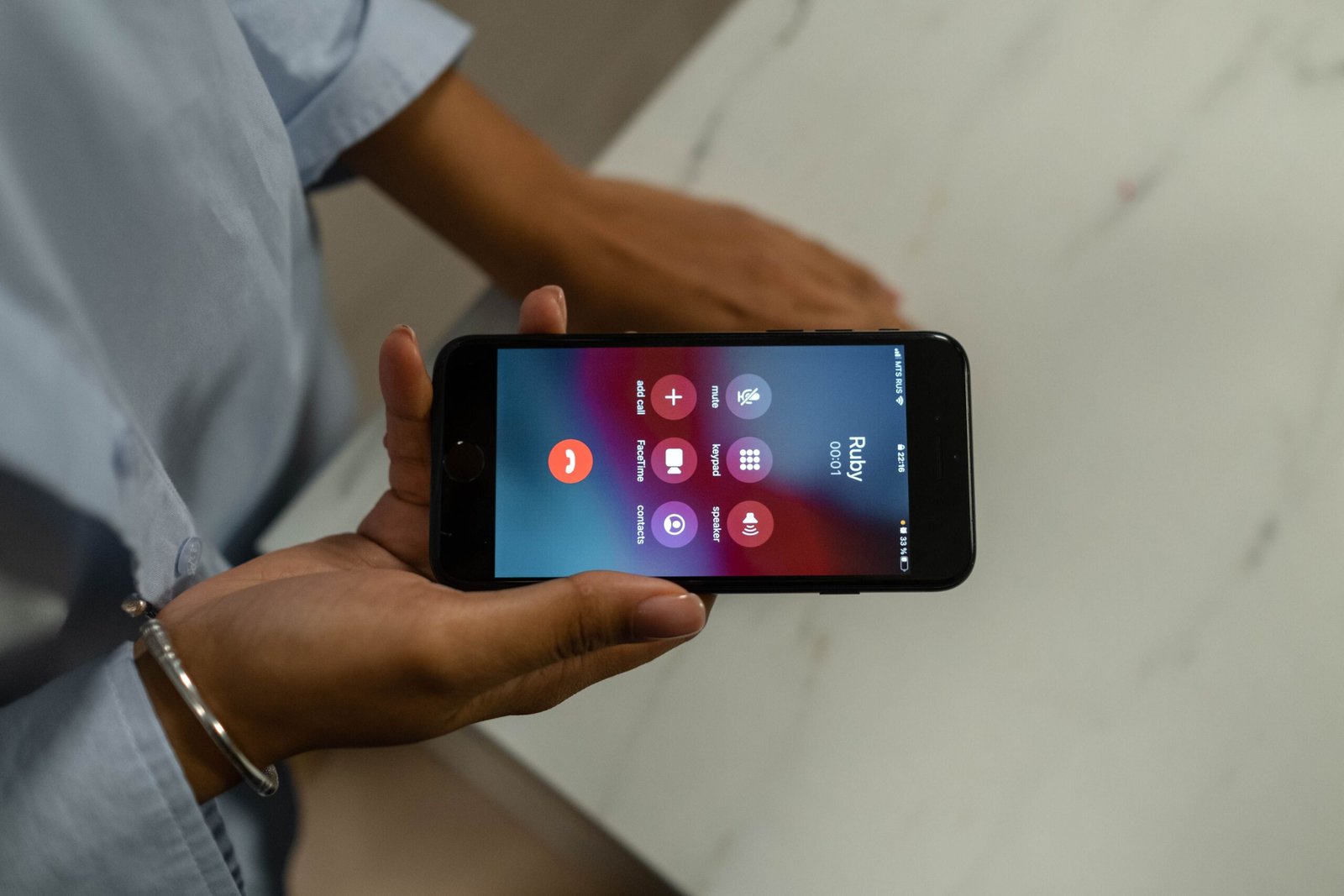
If you have recently received a missed call from 44 345 300 2752, you may be wondering who called you, whether the number is legitimate, and whether you should call it back. The number is commonly written in the UK as 0345 300 2752, while the international format is +44 345 300 2752. Because 0345 numbers are UK non-geographic numbers, they are not tied to a particular city or region. Online phone-reporting websites contain numerous reports connecting 0345 300 2752 with Lloyds Bank, including reports describing automated security, payment-verification and banking-related calls. However, other reports describe suspicious or unexpected calls, which means it is important not to rely on the displayed number alone when deciding whether a call is genuine.
When an unfamiliar banking number appears on your phone, the safest approach is to consider the circumstances surrounding the call. If you had just logged into online banking, arranged a payment, added a new payee, or carried out another banking action that could require additional verification, an automated security call may be consistent with your activity. On the other hand, if you had not initiated any banking transaction and the caller unexpectedly asks for passwords, security information, card details or verification codes, you should treat the situation cautiously. This distinction is especially important because telephone numbers can potentially be spoofed, allowing a scammer to make a call appear to come from a number associated with a legitimate organisation.
44 345 300 2752 – Who Called Me?
The number 44 345 300 2752 is the international representation of 0345 300 2752, a UK 03-series non-geographic number. Several online caller-reporting services associate the number with Lloyds Bank, with many user reports describing automated verification calls connected with banking transactions or online banking activity. One caller-reporting database currently lists the number as associated with Lloyds Bank and notes reports involving transaction verification, online purchases and security checks. At the same time, the same source warns that user reports do not necessarily prove the identity of a caller and that numbers may be spoofed or reassigned.
This means that searching 44 345 300 2752 who called me may produce results suggesting Lloyds Bank, but that information should be treated as a useful clue rather than absolute proof. Another phone-reporting website has received reports describing both legitimate-looking Lloyds verification calls and suspected fraudulent calls from the same number. Some users reported receiving the call after carrying out genuine banking activity, while others described unexpected calls involving alleged suspicious transactions.
What Is 0345 300 2752?
0345 300 2752 is a UK non-geographic telephone number. Unlike a traditional geographic number beginning with a regional 01 or 02 code, an 0345 number does not identify a particular town or city. UK 03 numbers are commonly used by businesses, charities, public bodies and customer-service organisations that want a national contact number rather than a local geographic number. A current phone-number reference describes 0345 300 2752 as an 03 non-geographic number and says calls to 03 numbers are charged no more than calls to ordinary 01 or 02 numbers under UK rules.
The different formats can sometimes make the same number look like several different phone numbers when people search online. 0345 300 2752, 03453002752, +44 345 300 2752, and +443453002752 can all refer to the same underlying UK number. When searching for information, it is useful to try several versions because different websites may index telephone numbers using different formatting conventions.
Is 44 345 300 2752 a Lloyds Bank Number?
Online reports strongly associate 0345 300 2752 with Lloyds Bank, particularly in connection with automated verification and transaction-related calls. Numerous user comments describe receiving calls after initiating banking activity, such as making an online payment or setting up a new payee. Some reports specifically describe an automated process intended to help verify a transaction or provide an authorisation step.
However, saying that the number is associated with Lloyds Bank does not mean that every call displaying this number should automatically be trusted. Phone numbers can be spoofed, and several online reports describe people receiving calls that claimed to be from a bank even though the recipients had not initiated a relevant transaction. One reporting service currently categorises the number as dangerous based on user reports, while another describes its automated risk assessment as low but explicitly states that this does not guarantee that an individual call is safe.
Why Might 0345 300 2752 Call You?
There are several possible explanations for a call from 0345 300 2752. If you recently used online banking or made a transaction, the call could be related to a security or verification process. User reports have described calls connected with online purchases, payment verification, adding payees and other banking actions. In such circumstances, the timing of the call can provide useful context. If the call occurs immediately after an action you knowingly initiated, it may be consistent with an automated security process.
A second possibility is that someone is attempting to impersonate a bank. This becomes more concerning if you receive a call about a transaction you did not make, particularly if the caller pressures you to act quickly or asks you to reveal sensitive information. Unexpected banking calls should always be treated cautiously, even when the displayed telephone number appears familiar. Caller ID is not sufficient evidence of identity, so the safest response is to end the conversation and independently contact your bank using a trusted number or the official banking application or website.
Is 0345 300 2752 a Scam?
There is no reliable basis for saying that every call from 0345 300 2752 is a scam, but there are enough conflicting user reports to justify caution. Some online reports describe genuine-looking Lloyds verification calls, while others report suspected fraud, unexpected payment claims, robocalls or requests involving security codes.
The most important point is that the number displayed on your phone should not be the deciding factor. If you did not initiate a transaction, do not confirm that a payment is yours simply because the caller gives you information about it. Do not disclose your full password, PIN, online-banking credentials or one-time security codes to an unexpected caller. Instead, stop the call and independently verify the situation through your bank’s official channels. This approach protects you even if the telephone number itself has been spoofed.
What Should You Do If You Receive a Call From 44 345 300 2752?
If 44 345 300 2752 appears on your phone, first think about whether you recently carried out an action that could reasonably trigger a security call. Check your banking application independently rather than relying on information provided by the caller. If you see an unfamiliar payment, transfer or account activity, contact your bank through a trusted method immediately. If everything appears normal and you were not expecting a call, there is no need to provide information simply because the caller claims to represent a bank.
You should also be particularly careful if the caller creates urgency. Fraudsters frequently attempt to make people act before they have time to verify what is happening. Statements such as “your account has been compromised,” “a payment is being processed,” or “you must provide this code immediately” should prompt you to pause rather than rush. A legitimate organisation should not require you to ignore normal security procedures just because someone is calling you.
Should You Call 0345 300 2752 Back?
Calling an unfamiliar number back is not always the best way to establish whether a call was genuine. If the caller claims to represent your bank, use a contact number obtained independently from your bank’s official website, card or banking application rather than simply returning the unexpected call. This reduces the risk of continuing a conversation with someone who may be impersonating the organisation.
If you believe the call was legitimate and you want to verify it, access your banking service independently and look for notifications or messages relating to the activity. You can then contact the organisation through its normal customer-service process. The key principle is simple: verify the caller independently rather than allowing the caller to control the verification process.
How to Recognise a Suspicious Call From 44 345 300 2752
A call deserves additional scrutiny when the caller asks for information that could provide access to your account or authorise a transaction. Warning signs can include unexpected requests for passwords, full security credentials, PINs, authentication codes or card information. Another warning sign is a caller who claims that your money is at immediate risk and instructs you to transfer funds, install software, reveal confidential information or remain on the line while you perform banking actions.
Unexpected automated calls can also cause confusion because they may sound professional and provide convincing details. Some online reports about 0345 300 2752 describe automated messages concerning payments or verification. This is why context matters more than the appearance of the telephone number. If you initiated the relevant transaction, independently confirm the details; if you did not, treat the call as suspicious until verified through a trusted channel.
How to Block 0345 300 2752
If you do not want to receive further calls from 0345 300 2752, you can normally block the number using your phone’s built-in call controls. On an iPhone, you can open your recent calls, select the information option next to the number and choose the option to block the caller. On Android devices, the exact wording varies by manufacturer, but the call history generally provides an option to block or report the number. One current phone-reporting guide provides similar blocking instructions for both iPhone and Android devices.
Blocking a number can reduce unwanted calls, but it should not replace reporting or security action if you believe someone attempted to defraud you. If the call involved a suspicious banking transaction, contact your financial institution through an independently verified channel and explain exactly what happened. If you provided sensitive information or authorised something you did not intend to authorise, act quickly because the appropriate response may depend on what information was disclosed and what transaction occurred.
44 345 300 2752 and Online Banking Security
The reason banking-related telephone calls can be difficult to evaluate is that legitimate banks genuinely use security procedures to protect customers. An automated verification call can therefore look very similar to a fraudulent call attempting to imitate the same process. The safest approach is not to assume that every unexpected call is fraudulent, but also not to assume that a familiar number guarantees authenticity.
If you are using online banking and receive an unexpected verification request, stop and independently check your account. Never disclose a security code merely because someone calling you says that the code is required. If the code relates to an action you did not initiate, that is particularly important because an attacker may be attempting to persuade you to authorise their own transaction. Independent verification gives you a way to distinguish a genuine security process from an impersonation attempt without relying on the caller’s claims.
What Online Reports Say About 0345 300 2752
Online reports about 0345 300 2752 are mixed. One large caller-reporting page currently identifies the number with Lloyds Bank and includes many reports describing transaction verification and security calls. It also contains reports from people who considered unexpected calls suspicious. Another phone database records several reports describing suspected fraud, including callers allegedly claiming that suspicious payments had been made.
These differences demonstrate why crowdsourced telephone databases should be used as reference points rather than definitive proof. User comments are based on individual experiences and can contain mistakes. The same number may also be spoofed, which means a scammer could potentially make an incoming call appear to originate from a number that people recognise. The safest conclusion is therefore that 0345 300 2752 has been widely associated online with Lloyds Bank, but the identity of any individual caller must still be independently verified.
Conclusion
The search term 44 345 300 2752 generally refers to the UK telephone number 0345 300 2752, which is a non-geographic 03 number. Online reports frequently associate it with Lloyds Bank and automated banking verification, including calls relating to payments, online transactions and security checks. At the same time, reports are not completely consistent, with some users describing suspicious calls or possible fraud.
If you receive a call from this number, the best approach is to focus on what you were doing immediately before the call and independently verify anything involving your bank account. Do not provide passwords, PINs, full banking credentials or unexpected security codes to a caller simply because the displayed number looks familiar. If the call concerns a transaction you did not initiate, contact your bank using a trusted channel and investigate the account directly. A cautious verification process is far safer than assuming that caller ID proves who is on the other end of the phone.
Frequently Asked Questions About 44 345 300 2752
What is 44 345 300 2752?
44 345 300 2752 is an international format for the UK number 0345 300 2752. It is a UK 03 non-geographic number, meaning it is not associated with a particular geographic area.
Is 0345 300 2752 Lloyds Bank?
Online caller reports frequently associate 0345 300 2752 with Lloyds Bank, especially automated verification and transaction-related calls. However, this association does not prove that every call displaying the number is genuinely from Lloyds Bank because caller ID can potentially be spoofed.
Is 44 345 300 2752 a scam?
The number has received both positive and negative reports online. Some people describe legitimate-looking banking verification calls, while others report suspected scams. Therefore, it is safer to verify an unexpected call independently rather than categorising the number as completely safe or completely fraudulent.
Why did 0345 300 2752 call me?
Reports suggest that calls may be connected with banking verification, payments, online purchases or security procedures. However, if you did not initiate a related banking action, you should investigate independently rather than assuming the call is legitimate.
Should I give a security code to 44 345 300 2752?
You should not disclose an unexpected security code simply because someone calling from this number requests it. If you receive an unexpected authentication request, independently access your bank and verify what action is taking place before doing anything.
Can I block 0345 300 2752?
Yes. Most modern smartphones allow you to block an individual number through the recent-calls or call-history menu. The exact steps vary between iPhone and Android devices.
Is 0345 300 2752 a premium-rate number?
0345 is part of the UK 03 non-geographic numbering range rather than a premium-rate range. A current reference notes that 03 calls are charged no more than calls to 01 or 02 numbers under UK rules.
What should I do after receiving a suspicious call?
Do not provide sensitive information or follow unexpected instructions. End the call and contact the claimed organisation using a trusted contact method that you obtained independently. If the caller was claiming to be your bank and mentioned an unfamiliar transaction, check your account and contact the bank promptly.

Smoke Alarm Chirp: Why It Happens and How to Stop It Safely

Squat Press: Benefits, Proper Form, Muscles Worked, and Complete Exercise Guide

Hazey Haley: Biography, Career, Social Media, and Online Presence

Cleveland Daily Banner Obituaries: A Complete Guide to Finding Recent Death Notices, Archived Records, and Memorial Tributes

104.7 Contest: Complete Guide to Enter, Rules, Prizes, and Winning Tips

Tech FeedBuzzard: The Ultimate Guide to Technology News, AI, Gadgets, and Digital Innovation
 Tech2 months ago
Cleveland Daily Banner Obituaries: A Complete Guide to Finding Recent Death Notices, Archived Records, and Memorial Tributes
- Tech2 months ago
104.7 Contest: Complete Guide to Enter, Rules, Prizes, and Winning Tips
- Technology2 months ago
Tech FeedBuzzard: The Ultimate Guide to Technology News, AI, Gadgets, and Digital Innovation
- fitness2 months ago
H1: ABS Testauslösung – Funktion, Ursachen, Diagnose und Lösungen einfach erklärt
- Entertainment2 months ago
Basket Random GitHub: Complete Guide to Source Code, Gameplay, Development, and Open-Source Projects
- Travel2 months ago
Trip Itinerary Template: The Ultimate Guide to Planning Organized and Stress-Free Travel
- Fashion2 months ago
Trendy Designs: The Ultimate Guide to Modern Style and Creative Inspiration
- Entertainment2 months ago
Basketball Random.GitHub: The Complete Guide to Random Basketball Generators