
Connect with us

Tech

Kharismatic Leaked: Understanding the Viral Search Trend, Online Privacy, and Internet Rumors

Published

on

kharismatic leaked.

Every day, new search phrases suddenly become popular across Google, TikTok, X, Reddit, Instagram, and other social media platforms. One phrase that has attracted attention is “Kharismatic leaked.” When users encounter a trending keyword like this, many naturally become curious and search for more information. However, viral searches often spread much faster than verified facts, making it important to understand the difference between genuine news, internet rumors, speculation, and misinformation.

In today’s digital world, online privacy has become one of the most important topics affecting creators, influencers, public figures, and everyday internet users alike. A single rumor can quickly become a trending search even when there is little or no verified information behind it. Search engines frequently display trending queries based on user interest rather than confirming whether the underlying claims are accurate. For this reason, readers should approach sensational search terms carefully and rely on trustworthy sources before accepting or sharing information.

What Does “Kharismatic Leaked” Mean?

The phrase “Kharismatic leaked” generally refers to a search trend where users are looking for information related to rumors, discussions, or online conversations involving someone known as Kharismatic. In many situations involving similar trending keywords, the popularity of the search itself does not necessarily confirm that any leaked material exists or that online claims are accurate. Search trends often grow simply because many people become curious after seeing discussions on social media or hearing about a topic from others.

Modern search algorithms also contribute to this phenomenon. Once enough people begin searching for the same phrase, search engines may recommend it to additional users, increasing curiosity and creating a cycle where interest continues to grow regardless of whether reliable evidence supports the claims. This is why many trending searches become popular even when there is very little verified information available.

How Internet Rumors Spread So Quickly

Social media platforms have transformed how information travels across the internet. Within minutes, a screenshot, short video, or unverified post can reach millions of users worldwide. Unfortunately, misinformation often spreads faster than corrections because sensational headlines attract more attention. As users continue sharing posts without verifying their authenticity, search interest rises dramatically, causing search engines to recognize the phrase as a trending topic.

Many viral rumors eventually turn out to be exaggerated, taken out of context, or completely false. This highlights the importance of checking reliable reporting before believing or sharing claims. Responsible internet users should avoid amplifying unverified allegations and instead seek information from credible sources.

The Importance of Digital Privacy

Digital privacy affects everyone, not just celebrities or influencers. Personal photos, videos, messages, and online accounts deserve protection regardless of a person’s level of fame. Unauthorized sharing of private material can cause emotional distress, damage reputations, and violate legal rights. Respecting privacy is an essential part of responsible online behavior.

Many countries have laws that prohibit distributing private content without consent. Social media companies also maintain policies against sharing unauthorized intimate material and may remove such content while taking action against accounts that violate these rules.

Staying Safe Online

Internet users should protect themselves by creating strong passwords, enabling two-factor authentication, avoiding suspicious links, updating devices regularly, and carefully reviewing privacy settings across all social media accounts. These habits reduce the risk of unauthorized account access and help keep personal information secure.

In addition, people should think carefully before reposting unverified claims. Sharing rumors can unintentionally contribute to misinformation and potentially harm individuals who are the subject of those rumors.

How Search Trends Become Viral

Google search trends are influenced by public curiosity. A single mention by a popular creator or a viral discussion on social media can dramatically increase search volume within hours. News coverage, reaction videos, livestreams, and online conversations all contribute to increased visibility. However, trending searches should never be interpreted as proof that the associated claims are accurate.

Readers should remember that search popularity measures interest—not truth.

Final Thoughts

The “Kharismatic leaked” search trend demonstrates how quickly curiosity can spread across the internet. While viral keywords often generate millions of searches, popularity alone does not verify the claims behind them. Responsible internet use involves checking reliable information, respecting personal privacy, avoiding the spread of rumors, and recognizing that misinformation can travel faster than facts. By approaching trending topics critically and ethically, users help create a safer and more trustworthy online environment for everyone.

Frequently Asked Questions

What is the “Kharismatic leaked” search trend?

It is a popular search phrase that reflects online curiosity about rumors or discussions. A trending search does not, by itself, confirm that any claims are true.

Does a trending keyword prove something happened?

No. Search trends indicate what people are searching for, not whether the underlying information has been verified.

Why do these searches become popular?

They often spread through social media, viral posts, online discussions, and public curiosity, even when reliable information is limited.

How can I verify information online?

Use reputable news organizations, official statements, and credible sources before accepting or sharing claims.

Why is online privacy important?

Respecting privacy helps protect individuals from harm, discourages misinformation, and supports a safer internet for everyone.

What should I do if I encounter unverified rumors?

Avoid sharing them, look for trustworthy reporting, and remember that viral posts can be misleading or inaccurate.

Continue Reading

Tech

Bunkr Album: Complete Guide to Features, Privacy, and File Sharing

Published

on

bunkr album

In today’s digital world, people regularly need reliable ways to upload, organize, and share files with friends, colleagues, or online communities. Whether you’re storing images, documents, videos, or other digital content, having an organized online album makes managing files much easier. One term that often appears in online searches is Bunkr Album, and many users want to understand what it is, how it works, and how they can use it responsibly.

A Bunkr Album generally refers to a collection of files organized into a single album for easier storage and sharing. Albums allow users to keep related files together instead of distributing individual links one by one. This improves organization and simplifies collaboration when sharing multiple files at once. Understanding how albums work, along with privacy settings and file management techniques, helps users make informed decisions while protecting their data.

This comprehensive guide explains everything you need to know about Bunkr Albums, including their features, organization methods, sharing options, privacy considerations, best practices, advantages, limitations, and frequently asked questions.

What Is a Bunkr Album?

A Bunkr Album is an organized collection of uploaded files grouped into one location. Rather than managing separate uploads individually, users can place related files into an album for easier browsing and sharing. Albums may contain images, videos, documents, or other supported file formats, depending on the platform’s capabilities.

The main purpose of an album is convenience. Instead of sending multiple links, a single album can provide access to an entire collection. This approach saves time, keeps files organized, and improves the user experience for both creators and viewers.

Albums are commonly used for personal organization, project collaboration, portfolios, educational resources, and other legitimate file-sharing needs.

Why Do People Use a Bunkr Album?

There are many reasons users prefer organizing files into albums instead of uploading everything separately. Albums simplify navigation, reduce clutter, and make it easier to locate related content.

For photographers, an album can hold an entire photo shoot. Designers can organize project assets into folders. Students may keep study materials together, while teams can share project documents without sending dozens of separate links. Albums help maintain order as digital collections grow over time.

Another benefit is consistency. Visitors can browse an organized collection instead of opening numerous individual pages, making the experience more efficient and user-friendly.

Key Features of a Bunkr Album

Several features make albums useful for organizing digital content.

Organized File Collections

Grouping files into one album improves navigation and reduces confusion, especially for larger collections.

Easy Sharing

A single album link can provide access to multiple files, simplifying collaboration and reducing the need for repeated uploads.

Media Support

Depending on the platform, albums may support images, videos, documents, compressed archives, and additional file types.

File Management

Users can often rename files, reorganize albums, delete outdated content, and upload new materials without creating separate collections.

Accessibility

Albums make it easier for authorized users to browse files from different devices, including desktops, tablets, and smartphones.

How to Create a Bunkr Album

Although interfaces differ across services, creating an album generally follows a similar process.

First, create an account if required. After signing in, locate the upload section and select the files you want to organize. Once uploaded, create a new album and move the selected files into it. Give the album a clear title that reflects its contents. Finally, adjust any available sharing or privacy settings before distributing the album link.

Using descriptive names and organizing related files together makes albums easier to maintain over time.

Organizing Files Efficiently

Good organization becomes increasingly important as file collections grow. Users should group related files together, use meaningful names, remove outdated content periodically, and avoid mixing unrelated projects in the same album.

Creating separate albums for different purposes—such as work, education, hobbies, or personal projects—helps maintain a clean structure and improves navigation for anyone with authorized access.

Privacy and Security Considerations

Privacy should always be a priority when sharing files online. Before uploading content, verify who should have access and avoid sharing sensitive personal or confidential information unless appropriate safeguards are in place.

Strong account passwords, secure authentication methods when available, and careful management of sharing permissions help reduce unauthorized access. Regularly reviewing uploaded content and removing files that are no longer needed also supports better digital hygiene.

If an album is intended for a limited audience, confirm that the sharing settings match that purpose before distributing the link.

Advantages of Using Albums

Albums provide several practical benefits for users managing digital files.

They reduce clutter by grouping related content, simplify sharing through a single link, improve browsing efficiency, and make long-term organization easier. Albums also help collaborators locate relevant materials without searching through unrelated uploads.

For users handling large collections, organized albums can significantly improve productivity and reduce time spent managing files.

Potential Limitations

Like any online storage method, albums have limitations. Available storage space, supported file types, upload limits, and sharing features may vary depending on the service. Users should also be mindful of platform policies, account requirements, and data retention practices.

Responsible use includes respecting copyright laws, protecting personal information, and following the platform’s terms of service.

Best Practices for Managing a Bunkr Album

Maintaining an organized album requires regular attention. Use descriptive titles, remove duplicate files, back up important data elsewhere, review sharing permissions periodically, and keep collections focused on a single topic whenever possible.

Large albums can also benefit from logical naming conventions that make files easier to identify. Consistent organization improves the experience for both creators and viewers.

Bunkr Album vs Individual File Sharing

Sharing individual files works well for one or two items, but albums become much more practical when distributing larger collections. Instead of managing numerous separate links, a single album provides centralized access to related content.

Albums also improve organization, simplify updates, and allow viewers to browse content naturally without switching between multiple pages.

Tips for Better File Organization

Well-organized albums are easier to maintain over time. Consider these practices:

  • Use clear and descriptive album titles.
  • Group files by topic or project.
  • Remove outdated or duplicate files.
  • Keep important files backed up elsewhere.
  • Review privacy settings before sharing.
  • Organize uploads consistently for easier navigation.

Conclusion

A Bunkr Album offers a practical way to organize and share collections of digital files. By grouping related content into a single location, users can simplify collaboration, improve file management, and create a more convenient experience for authorized viewers. Whether you’re organizing photos, project resources, educational materials, or other legitimate digital content, thoughtful album organization and responsible sharing practices help ensure your files remain accessible and well managed.

As with any online file-sharing solution, privacy, security, and compliance with applicable laws and platform policies should always remain a priority. Keeping albums organized, reviewing permissions regularly, and avoiding the upload of sensitive or unauthorized content will help you use online storage more effectively and safely.

Frequently Asked Questions (FAQ)

1. What is a Bunkr Album?

A Bunkr Album is an organized collection of uploaded files grouped together for easier storage, browsing, and sharing.

2. What types of files can be included in an album?

Supported file types depend on the platform but commonly include images, videos, documents, and other digital files.

3. Why use an album instead of individual file links?

Albums provide better organization, simplify sharing with a single link, and make it easier for viewers to browse related content.

4. How can I keep my album organized?

Use descriptive titles, group similar files together, remove outdated content, and maintain a consistent naming system.

5. How can I improve the security of my online albums?

Use strong passwords, review sharing permissions, avoid uploading sensitive information unnecessarily, and follow the platform’s security recommendations.

6. Are albums useful for collaboration?

Yes. Albums allow multiple related files to be shared in an organized manner, making them useful for educational, creative, and professional collaboration.

7. What are the main benefits of using online albums?

They improve organization, reduce clutter, simplify sharing, make file management easier, and provide a better browsing experience for authorized users.

8. What should I consider before uploading files?

Ensure you have the right to share the content, avoid uploading confidential information unless appropriately protected, and follow the platform’s terms of service and applicable laws.

Continue Reading

Tech

Advanced Power Manager: The Complete Guide to Better Battery, Performance, and Energy Efficiency
Published

on

advanced power manager

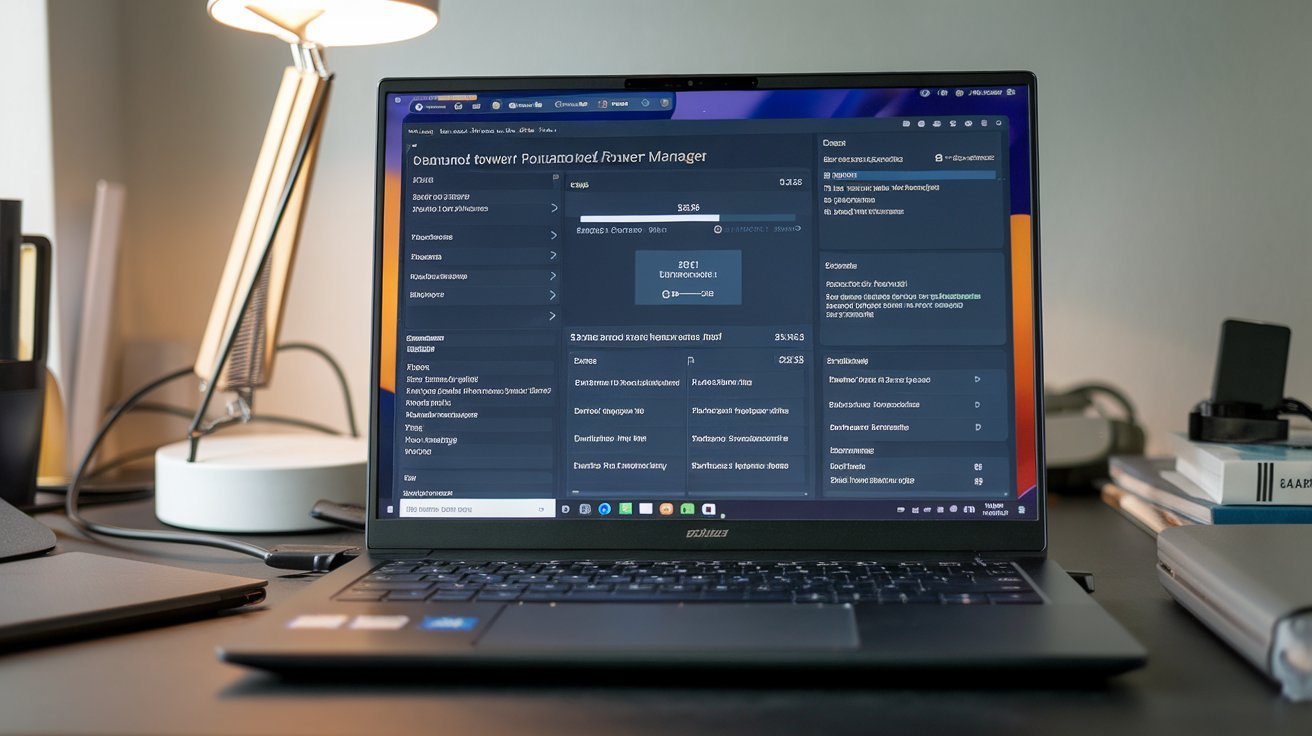
Modern computers, laptops, smartphones, tablets, and enterprise systems are becoming increasingly powerful, but they also consume more energy than ever before. Efficient energy management is no longer just about extending battery life—it plays a significant role in improving system performance, reducing electricity costs, minimizing hardware wear, and supporting environmental sustainability. This is where Advanced Power Manager becomes an essential tool.

Advanced Power Manager refers to sophisticated software or built-in operating system features designed to intelligently monitor, control, and optimize power consumption. Unlike traditional power-saving settings that simply dim the display or put a device to sleep after inactivity, advanced power management uses intelligent algorithms, hardware communication, workload analysis, and customized power profiles to deliver the ideal balance between performance and efficiency.

Whether you are a home user trying to maximize laptop battery life, a gamer seeking optimal performance, a business managing hundreds of computers, or an IT administrator responsible for enterprise infrastructure, understanding Advanced Power Manager can help you get more from your devices while reducing unnecessary energy consumption. This guide explores everything you need to know about Advanced Power Manager, including its features, benefits, configuration options, practical use cases, and future developments.

What Is Advanced Power Manager?

Advanced Power Manager is a collection of technologies and software features that automatically regulate how electronic devices consume electricity. It continuously monitors hardware activity—including the processor, graphics card, storage drives, display, network adapters, cooling systems, and peripherals—to determine how much power each component actually needs.

Instead of supplying maximum power at all times, Advanced Power Manager intelligently adjusts power usage based on workload. During light activities such as web browsing or document editing, the system reduces processor frequency, lowers display brightness, limits background processes, and conserves battery energy. When demanding applications such as video editing, software development, gaming, or scientific computing require additional resources, the system instantly increases performance to maintain responsiveness.

This dynamic adjustment ensures devices consume only the energy necessary for current tasks while maintaining an excellent user experience.

Why Advanced Power Management Matters

Power efficiency has become one of the most important aspects of modern computing. Batteries remain one of the most expensive and wear-prone components in portable devices, and excessive power consumption directly impacts operating costs in businesses and data centers.

Advanced Power Manager helps users reduce electricity bills, extend battery lifespan, improve hardware reliability, decrease system temperatures, minimize cooling requirements, and lower environmental impact. These benefits are especially valuable for organizations operating thousands of computers where even small efficiency improvements can produce substantial cost savings.

Key Features of Advanced Power Manager

One of the biggest strengths of Advanced Power Manager is its comprehensive collection of intelligent features.

Intelligent Battery Optimization

Battery charging algorithms prevent overcharging, excessive heat generation, and unnecessary charging cycles. Many Advanced Power Manager solutions learn user behavior and delay charging to 100% until just before the device is typically unplugged.

Dynamic CPU Performance Scaling

Modern processors continuously adjust clock speeds according to workload. During light usage, processor frequencies decrease to conserve energy, while intensive workloads trigger maximum performance automatically.

Display Power Optimization

Displays often consume significant battery power. Advanced Power Manager automatically adjusts brightness, refresh rate, screen timeout, HDR settings, and adaptive brightness depending on ambient conditions and user activity.

Sleep and Hibernate Management

Rather than leaving devices fully powered while inactive, Advanced Power Manager intelligently selects Sleep, Hibernate, or Hybrid Sleep modes based on expected inactivity periods.

Application Power Monitoring

Some applications consume excessive power in the background. Advanced Power Manager identifies resource-intensive software and recommends limiting or closing unnecessary processes.

Thermal Management

Efficient thermal management reduces processor temperatures by balancing cooling fan speed, processor performance, and system workload.

Custom Power Profiles

Users can create customized profiles such as:

  • Maximum Performance
  • Balanced Mode
  • Battery Saver
  • Silent Mode
  • Gaming Mode
  • Presentation Mode
  • Work Mode
  • Travel Mode

Each profile automatically adjusts hardware behavior according to user preferences.

Benefits of Using Advanced Power Manager

Advanced Power Manager provides numerous advantages that extend well beyond battery savings.

Longer Battery Life

Reducing unnecessary background activity and intelligently allocating power significantly increases battery runtime during daily use.

Improved Device Performance

Efficient resource allocation ensures that performance-intensive applications receive sufficient power without wasting energy during lighter tasks.

Lower Electricity Costs

Businesses operating hundreds or thousands of computers can achieve noticeable reductions in energy expenses through optimized power management.

Extended Hardware Lifespan

Lower operating temperatures reduce wear on processors, batteries, SSDs, cooling systems, and internal components.

Reduced Environmental Impact

Lower energy consumption contributes to reduced carbon emissions and supports sustainability initiatives.

How Advanced Power Manager Works

Advanced Power Manager constantly collects data from multiple hardware sensors and operating system services. It evaluates processor load, memory usage, storage activity, battery condition, thermal readings, display utilization, and network traffic.

Using this information, it dynamically adjusts power delivery in real time. Instead of relying on static power plans, many modern implementations incorporate machine learning techniques that recognize user habits and optimize energy consumption automatically throughout the day.

Advanced Power Manager in Windows

Windows includes powerful built-in power management capabilities through Power Plans and advanced settings.

Key options include:

  • Balanced Mode
  • High Performance
  • Power Saver
  • Ultimate Performance (Professional editions)
  • Battery Saver
  • Adaptive Brightness
  • Sleep Settings
  • Hibernate
  • Processor Power Management

Users can customize nearly every aspect of system power behavior through the Advanced Power Options menu.

Advanced Power Manager on Android

Android devices include sophisticated battery optimization technologies that monitor application behavior and limit background activity when appropriate.

Features often include:

  • Adaptive Battery
  • Battery Saver
  • Background App Restrictions
  • Charging Protection
  • Adaptive Brightness
  • Intelligent Sleep Scheduling

These capabilities work together to maximize battery longevity without significantly affecting usability.

Enterprise Applications

Organizations use Advanced Power Manager software to manage large fleets of devices efficiently. Centralized management platforms allow administrators to:

  • Enforce power policies
  • Schedule shutdowns
  • Wake computers remotely
  • Monitor energy usage
  • Generate efficiency reports
  • Reduce operating expenses
  • Improve compliance with sustainability goals

Enterprise implementations can save thousands of dollars annually in electricity costs.

Best Practices

To maximize the benefits of Advanced Power Manager:

  • Keep your operating system updated.
  • Enable adaptive battery or battery optimization features.
  • Remove unnecessary startup applications.
  • Reduce screen brightness when practical.
  • Disconnect unused peripherals.
  • Regularly monitor battery health.
  • Use sleep mode during short breaks.
  • Hibernate during extended inactivity.
  • Select the appropriate power profile for each task.

Common Problems and Solutions

Battery Drains Too Quickly

Possible causes include high screen brightness, background applications, outdated drivers, or battery degradation.

Device Overheats

Inspect cooling vents, reduce unnecessary workloads, update BIOS or firmware, and ensure adequate airflow.

Slow Performance

Check whether Battery Saver mode is limiting processor speed and switch to Balanced or Performance mode when necessary.

Unexpected Sleep Behavior

Review sleep timer settings, USB wake permissions, and scheduled maintenance tasks.

Advanced Power Manager vs Standard Power Management

FeatureStandard Power ManagementAdvanced Power Manager
Intelligent OptimizationLimitedYes
Battery LearningNoYes
Custom ProfilesBasicExtensive
Enterprise SupportLimitedComprehensive
Real-Time MonitoringBasicAdvanced
Thermal OptimizationMinimalExtensive
AI-Based DecisionsNoIncreasingly common

Future of Advanced Power Management

Artificial intelligence is expected to play an increasingly important role in power optimization. Future Advanced Power Manager systems may predict workloads, optimize energy use across multiple connected devices, integrate renewable energy awareness, and coordinate with smart homes and enterprise energy-management platforms. Improvements in battery chemistry, operating systems, and hardware design will further enhance efficiency while maintaining high performance.

Conclusion

Advanced Power Manager has evolved from a simple collection of battery-saving settings into a sophisticated system for intelligent energy optimization. By dynamically balancing performance and efficiency, it helps users extend battery life, reduce electricity consumption, improve hardware longevity, and create a more sustainable computing environment. Whether you are using a Windows PC, Android smartphone, laptop, or managing enterprise infrastructure, understanding and properly configuring Advanced Power Manager can lead to noticeable improvements in everyday performance and long-term device health. As computing continues to advance, intelligent power management will remain a critical component of faster, greener, and more reliable technology.

Frequently Asked Questions (FAQ)

1. What is Advanced Power Manager?

Advanced Power Manager is a software or operating system feature that intelligently manages device power consumption to improve battery life, performance, and energy efficiency.

2. Does Advanced Power Manager improve battery life?

Yes. By reducing unnecessary power usage, limiting background activity, and optimizing hardware performance, it can significantly extend battery runtime.

3. Is Advanced Power Manager available on Windows?

Yes. Windows includes advanced power management features such as Power Plans, Battery Saver, Sleep, Hibernate, and processor power management settings.

4. Can Advanced Power Manager reduce electricity costs?

Yes. Homes and businesses can lower energy consumption by optimizing how devices use power, which may reduce electricity expenses over time.

5. Does power management affect performance?

It can. Performance modes prioritize speed and responsiveness, while battery-saving modes prioritize energy efficiency. Advanced Power Manager is designed to balance these trade-offs intelligently.

6. Is Advanced Power Manager useful for businesses?

Absolutely. Enterprise power management helps organizations centrally manage device energy use, reduce operational costs, extend hardware life, and support sustainability initiatives.

7. How often should I review my power settings?

It’s a good idea to review them after major operating system updates, when your usage patterns change, or if you notice reduced battery life or performance issues.

8. What is the difference between Sleep and Hibernate?

Sleep keeps your session in memory for a quick resume while using a small amount of power. Hibernate saves your session to storage and powers off almost completely, making it better for long periods of inactivity.

Continue Reading

Tech

Justin Billingsley Greene Law: Leadership, Innovation, and Modern Legal Services

Published

on

justin billingsley greene law

The phrase “Justin Billingsley Greene Law” has gained attention online as readers search for information about Justin Billingsley’s professional association with Greene Law. Various articles describe his involvement in legal operations, leadership, and business administration, while official public information provides only a limited picture of his exact responsibilities. Because of this, understanding the available information requires separating verified facts from broader online commentary. This article explores the publicly available information, discusses Greene Law’s reputation, examines leadership in modern legal practice, and explains why this topic has become increasingly popular among online readers.

Understanding Greene Law

justin billingsley greene law has built a reputation as a long-established law firm serving clients across multiple legal practice areas. The firm focuses on providing legal assistance in litigation, family law, real estate matters, collections, financial disputes, and other civil legal services. Over many years, Greene Law has developed a reputation for combining legal experience with practical solutions for individuals and businesses. The firm’s emphasis on professionalism, communication, and client service reflects broader trends within the legal industry, where clients increasingly expect transparency and efficient case management alongside legal expertise. Public descriptions of the firm highlight its commitment to responsive service and long-term client relationships.

Who Is Justin Billingsley?

Publicly available information portrays Justin Billingsley as someone with experience spanning business operations, real estate, and organizational leadership. Several online sources describe him as serving in an administrative or operational leadership capacity associated with Greene Law, although descriptions vary and some claims are not independently verified. Rather than presenting him as a courtroom attorney, many discussions emphasize business management, operational efficiency, technology adoption, and client experience. Readers should note that third-party articles often repeat similar narratives, making it important to distinguish between confirmed information and promotional content.

Leadership in Modern Law Firms

Today’s legal industry requires much more than legal knowledge alone. Successful law firms increasingly depend on effective business management, digital transformation, cybersecurity, document automation, client communication platforms, and operational efficiency. Administrative leaders help attorneys focus on legal work while improving scheduling, technology integration, compliance, and customer service. This broader trend helps explain why professionals with business and operations backgrounds are becoming more common in law firm leadership roles.

Why Technology Matters in Legal Services

Technology has significantly transformed the legal profession over the past decade. Modern law firms use secure client portals, electronic document management, online consultations, digital signatures, legal research software, and case management systems to improve efficiency. These tools reduce paperwork, shorten response times, and provide clients with greater transparency throughout legal proceedings. Organizations that successfully adopt these technologies often improve both productivity and client satisfaction.

Professional Reputation and Online Visibility

One reason searches for “Justin Billingsley Greene Law” have increased is the growing importance of online professional profiles. Search engines often surface blog posts, business profiles, and commentary from multiple websites, creating a broad digital footprint. Readers should evaluate such information carefully by considering whether it comes from official organizations, verified professional profiles, or independent reporting rather than relying solely on repeated third-party summaries.

The Importance of Client-Centered Legal Services

Modern clients expect legal professionals to communicate clearly, explain procedures, provide regular updates, and offer practical guidance. Successful law firms increasingly focus on accessibility, transparency, and responsiveness. Whether handled by attorneys or administrative leaders, strong organizational practices contribute to a smoother client experience and can strengthen trust between legal professionals and the people they represent.

Challenges Facing Today’s Legal Industry

Law firms continue to adapt to changing regulations, evolving client expectations, cybersecurity risks, increasing competition, and rapid technological change. Firms that invest in staff training, digital tools, operational efficiency, and client communication are generally better positioned to meet these challenges while maintaining high professional standards.

Conclusion

The topic Justin Billingsley Greene Law reflects growing public interest in legal leadership and modern law firm management. Available public information suggests an association with Greene Law that is often described in terms of administration and operations, though many specific claims remain based on third-party reporting rather than official confirmation. For readers seeking accurate information, relying on verified sources and official organizational information remains the most reliable approach. At the same time, the broader discussion highlights how technology, business leadership, and client-focused service continue to shape the future of the legal profession.

Frequently Asked Questions

What is Justin Billingsley Greene Law?

It generally refers to online discussions about Justin Billingsley’s reported professional association with Greene Law and his role in legal operations or administration.

Is Justin Billingsley an attorney?

Public information is inconsistent. Some third-party websites describe him as an attorney, while others identify him as an administrator or operations leader. Readers should verify current credentials through official sources.

What is Greene Law known for?

Greene Law is known as a general-practice law firm handling litigation, real estate, family law, financial matters, and other legal services.

Why is this topic popular online?

Search interest has grown because multiple websites have published articles discussing Justin Billingsley’s reported association with Greene Law and broader themes of leadership and modernization in legal services.

How can readers verify information?

The best approach is to consult official firm websites, professional directories, and other authoritative sources rather than relying exclusively on syndicated blog posts or repeated third-party articles

Continue Reading

Trending