Health
Splosna Bolnisnica: The Complete Guide to General Hospitals, Medical Services, and Patient Care


A splosna bolnisnica, commonly known as a general hospital, serves as one of the most important institutions within any healthcare system. It provides comprehensive medical care to individuals of all ages and offers a wide range of services, from emergency treatment to specialized surgeries and long-term rehabilitation. Whether patients require immediate medical attention after an accident, routine diagnostic testing, or ongoing treatment for chronic illnesses, a splosna bolnisnica acts as a central hub where healthcare professionals collaborate to deliver high-quality care.
Modern hospitals have evolved significantly over the past few decades. Today, they integrate advanced medical technology, experienced physicians, skilled nurses, sophisticated diagnostic equipment, and patient-centered healthcare practices to improve treatment outcomes. Rather than focusing on a single specialty, a splosna bolnisnica addresses diverse medical needs through multiple departments working together under one roof. This multidisciplinary approach allows patients to receive coordinated care without needing to visit several different healthcare facilities.
In this comprehensive guide, we will explore everything you need to know about a splosna bolnisnica, including its services, departments, benefits, patient experience, technological advancements, and its essential role in supporting community health.
What Is a Splosna Bolnisnica?
A splosna bolnisnica is a healthcare institution designed to provide comprehensive medical services for diagnosing, treating, and preventing diseases and injuries. Unlike specialized hospitals that focus exclusively on specific medical conditions such as heart disease or cancer, general hospitals offer a broad range of healthcare services covering nearly every aspect of medicine.
Patients can visit a splosna bolnisnica for emergency situations, scheduled surgeries, maternity care, diagnostic testing, outpatient consultations, rehabilitation, and inpatient treatment. Because various medical specialists work together within the same facility, patients benefit from coordinated healthcare that addresses both immediate medical concerns and long-term health management. This integrated approach improves communication between departments, reduces treatment delays, and enhances overall patient outcomes.
The Importance of Splosna Bolnisnica in Healthcare
General hospitals represent the backbone of national healthcare systems. They provide accessible medical care regardless of age, medical condition, or treatment complexity. Every day, thousands of patients rely on these hospitals for emergency interventions, preventive healthcare, specialized consultations, and life-saving surgeries.
Beyond treating illnesses, a splosna bolnisnica contributes significantly to public health by offering vaccination programs, health education initiatives, disease prevention campaigns, maternal healthcare, and chronic disease management. During health emergencies such as pandemics or natural disasters, general hospitals become essential centers for crisis response, helping communities recover while maintaining continuity of medical services.
Main Departments Found in a Splosna Bolnisnica
One of the defining features of a splosna bolnisnica is the diversity of medical departments available within a single healthcare facility. Each department specializes in specific areas of medicine while working collaboratively to ensure patients receive comprehensive treatment.
The emergency department operates around the clock, providing immediate medical attention for injuries, heart attacks, strokes, severe infections, and other urgent conditions. Internal medicine focuses on diagnosing and managing adult diseases, while surgery departments perform procedures ranging from minimally invasive operations to complex surgical interventions.
Orthopedic departments specialize in bones, joints, and muscles, helping patients recover from fractures, arthritis, and sports injuries. Pediatric departments care for infants, children, and adolescents, offering age-specific healthcare services. Maternity wards provide prenatal care, childbirth support, and postnatal care for mothers and newborns. Additional departments such as cardiology, oncology, neurology, radiology, rehabilitation, laboratory medicine, and intensive care units further expand the hospital’s ability to manage complex medical cases.
Medical Services Offered
A splosna bolnisnica provides an extensive range of medical services that address virtually every healthcare need. Diagnostic imaging using MRI, CT scans, ultrasound, and X-rays helps physicians accurately identify medical conditions. Laboratory testing supports diagnosis through blood analysis, pathology, microbiology, and genetic testing.
Outpatient clinics enable patients to consult specialists without requiring hospitalization, while inpatient wards offer continuous medical supervision for individuals recovering from surgery or managing serious illnesses. Surgical services include both elective procedures and emergency operations performed by experienced surgeons using modern medical equipment.
Rehabilitation services assist patients recovering from strokes, orthopedic injuries, surgeries, or neurological disorders through physical therapy, occupational therapy, and specialized rehabilitation programs designed to restore independence and improve quality of life.
Emergency Care and Critical Treatment
Emergency care remains one of the most essential responsibilities of a splosna bolnisnica. Medical emergencies require immediate assessment, rapid diagnosis, and prompt intervention to prevent complications or save lives. Emergency departments are staffed by specially trained physicians, nurses, and emergency medical technicians capable of managing trauma, cardiac emergencies, respiratory distress, severe infections, poisoning, and other life-threatening conditions.
Advanced emergency departments are equipped with modern monitoring systems, imaging technologies, trauma bays, intensive care units, and operating theaters that allow healthcare teams to respond quickly to critical situations. Their ability to coordinate multidisciplinary treatment often determines patient survival and long-term recovery.
The Role of Medical Specialists
Modern healthcare depends heavily on collaboration among medical professionals. Within a splosna bolnisnica, specialists from various disciplines work together to develop personalized treatment plans tailored to each patient’s condition. Cardiologists manage heart disease, neurologists diagnose nervous system disorders, orthopedic surgeons repair musculoskeletal injuries, oncologists treat cancer, while infectious disease experts manage complex infections.
This collaborative approach allows patients with multiple health conditions to receive coordinated care, reducing unnecessary procedures, improving treatment accuracy, and enhancing recovery outcomes through continuous communication among healthcare providers.
Technology in Modern Splosna Bolnisnica
Healthcare technology has transformed nearly every aspect of hospital operations. Electronic health records improve communication between physicians while reducing medical errors and streamlining patient management. Artificial intelligence assists radiologists in interpreting medical images and supports physicians in identifying diseases earlier than traditional methods alone.
Robotic surgery enables surgeons to perform highly precise procedures with smaller incisions, leading to faster recovery times and reduced postoperative complications. Telemedicine allows patients to consult specialists remotely, improving access to healthcare for individuals living in rural or underserved areas. Advanced laboratory automation, digital imaging systems, and smart monitoring devices further improve diagnostic accuracy and patient safety.
Patient Safety and Quality Care
Patient safety remains one of the highest priorities in every splosna bolnisnica. Hospitals implement rigorous infection control protocols, medication verification systems, surgical safety checklists, and continuous staff training to minimize risks and ensure high standards of care.
Quality improvement programs monitor treatment outcomes, patient satisfaction, hospital-acquired infections, and overall healthcare performance. These initiatives help hospitals continuously refine their services while maintaining compliance with national healthcare standards and international best practices.
Benefits of Choosing a Splosna Bolnisnica
Selecting a splosna bolnisnica offers numerous advantages for patients seeking comprehensive healthcare. Because multiple specialties are available within one institution, patients experience better continuity of care and easier coordination between different healthcare providers. Access to advanced diagnostic equipment, experienced medical professionals, emergency services, rehabilitation programs, and specialized treatment ensures that patients receive complete medical support throughout their healthcare journey.
Additionally, integrated healthcare systems reduce unnecessary referrals, shorten waiting times for many services, improve communication among specialists, and provide convenient access to follow-up care, making the overall patient experience more efficient and reassuring.
Future of Splosna Bolnisnica
The future of general hospitals will be shaped by innovation, digital transformation, personalized medicine, and preventive healthcare. Artificial intelligence, machine learning, robotic surgery, precision medicine, wearable health devices, and predictive analytics will continue improving diagnostic accuracy and treatment effectiveness. Hospitals are also placing greater emphasis on preventive care, helping patients maintain long-term health rather than simply treating illnesses after they occur.
Sustainability initiatives, environmentally friendly hospital infrastructure, and energy-efficient medical facilities are becoming increasingly important as healthcare organizations seek to reduce environmental impact while maintaining exceptional patient care standards.
Conclusion
A splosna bolnisnica plays an indispensable role in delivering comprehensive healthcare services to individuals and communities. From emergency medicine and surgical care to diagnostics, rehabilitation, maternity services, and chronic disease management, general hospitals provide integrated medical support across every stage of life. Their multidisciplinary teams, advanced technologies, commitment to patient safety, and focus on continuous improvement make them the cornerstone of modern healthcare systems.
As medicine continues to evolve, splosna bolnisnica institutions will remain central to improving public health, expanding access to quality care, and embracing innovations that enhance patient outcomes. Whether seeking emergency treatment or routine medical care, patients can rely on these hospitals to provide compassionate, evidence-based, and comprehensive healthcare.
Frequently Asked Questions (FAQ)
What does “splosna bolnisnica” mean?
The term splosna bolnisnica is Slovenian for general hospital, a healthcare facility that provides a wide range of medical services, including emergency care, surgery, diagnostics, inpatient care, and outpatient treatment.
What services are available in a splosna bolnisnica?
General hospitals typically offer emergency medicine, surgery, internal medicine, pediatrics, maternity care, cardiology, orthopedics, radiology, laboratory testing, rehabilitation, intensive care, and many other specialized medical services.
Who can receive treatment at a splosna bolnisnica?
People of all ages can receive care at a splosna bolnisnica, including infants, children, adults, and older adults. These hospitals are designed to treat a broad spectrum of medical conditions.
How is a splosna bolnisnica different from a specialized hospital?
A splosna bolnisnica provides comprehensive healthcare across multiple medical specialties, while a specialized hospital focuses primarily on a specific field such as cardiology, oncology, orthopedics, or psychiatry.
Does a splosna bolnisnica provide emergency care?
Yes. Most splosna bolnisnica facilities operate 24-hour emergency departments that treat urgent illnesses, injuries, trauma, heart attacks, strokes, and other life-threatening medical conditions.
Why is a splosna bolnisnica important?
A splosna bolnisnica is essential because it delivers comprehensive, coordinated, and accessible healthcare. It supports preventive care, emergency treatment, specialized medical services, rehabilitation, and long-term patient management, making it a cornerstone of every modern healthcare system.

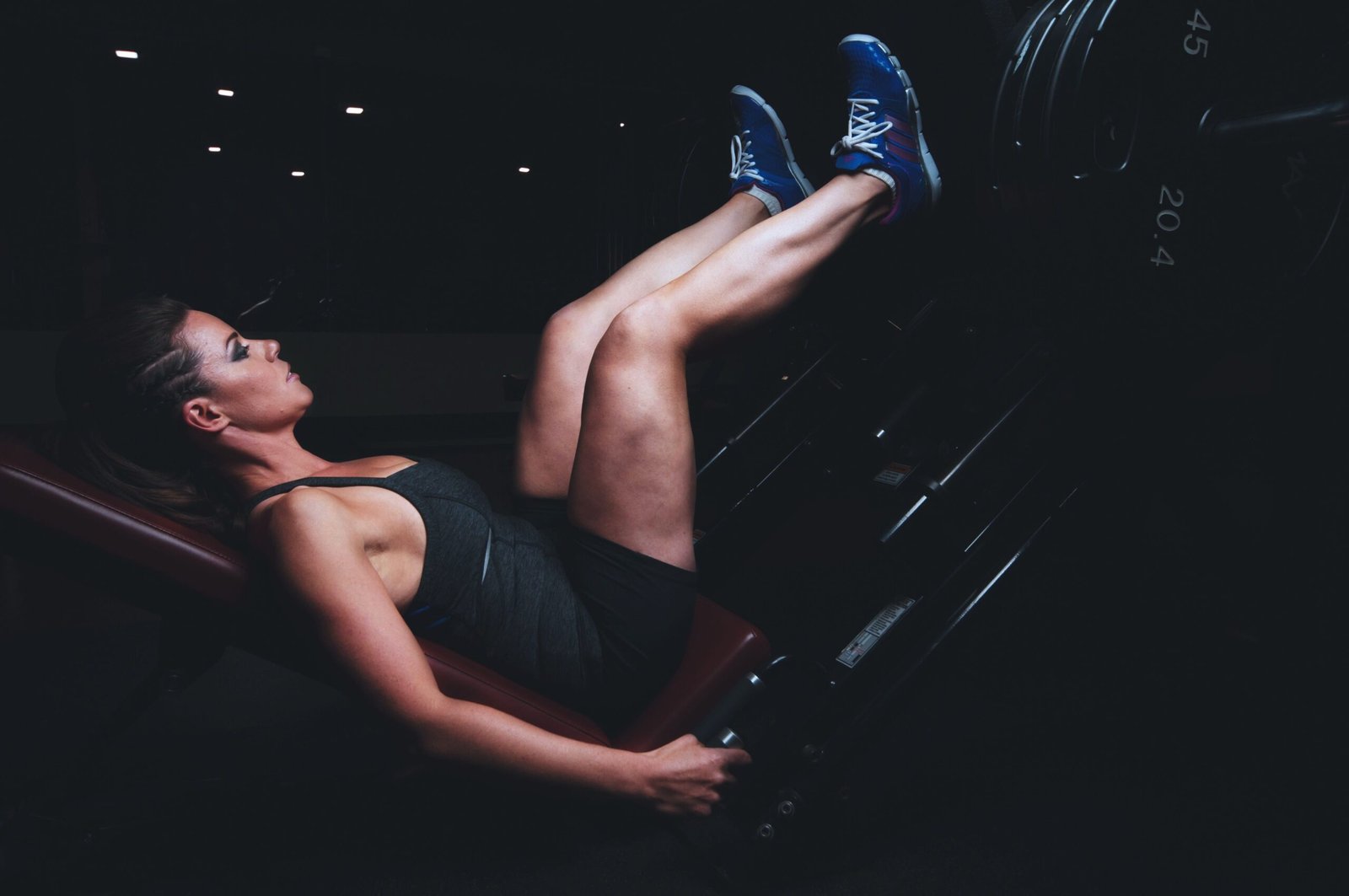
The squat press is a dynamic compound exercise that combines the lower-body movement of a squat with an upper-body pressing motion, making it an efficient choice for people who want to train several major muscle groups in a single exercise. Depending on the equipment used, the movement is often performed with dumbbells, kettlebells, or other forms of resistance, and it can be adapted for beginners as well as more experienced exercisers. Because the squat press links a controlled leg movement with an overhead press, it challenges the muscles of the legs, shoulders, arms, core, and upper body while also requiring coordination and balance. For people with limited workout time, compound exercises such as the squat press can be especially useful because they allow several areas of the body to be trained through one continuous movement.
Learning the proper squat press form is important because the exercise involves multiple joints and muscle groups working together. When performed correctly, the movement can help develop functional strength, muscular endurance, coordination, and stability. However, simply moving heavy weights from a squat into an overhead press is not enough to make the exercise effective. Technique, posture, breathing, resistance selection, and controlled movement all influence how safely and efficiently the exercise is performed. This complete guide explains what the squat press is, how to perform it correctly, which muscles it works, its potential benefits, common mistakes, useful variations, and ways to incorporate it into a balanced workout routine.
What Is a Squat Press?
A squat press is a compound strength-training exercise that combines two fundamental movement patterns: the squat and the overhead press. In a typical version, you begin by holding a pair of dumbbells or another suitable resistance at approximately shoulder height. You then lower your body into a squat while keeping your chest controlled and your knees tracking appropriately, drive through your feet to return to a standing position, and use that upward momentum and leg drive to assist with pressing the weights overhead. The result is a continuous movement that trains both the lower and upper body instead of isolating one muscle group.
The squat portion of the exercise primarily involves the quadriceps, glutes, hamstrings, and other muscles responsible for controlling the hips and knees. The pressing portion shifts more of the work toward the shoulders and triceps, while the abdominal and lower-back muscles contribute to maintaining stability throughout the movement. Because these actions are connected rather than performed as completely separate exercises, the squat press also places demands on coordination and whole-body control. This makes it particularly useful as a time-efficient movement in strength, conditioning, circuit, and general fitness workouts.
How to Do a Squat Press Correctly
To perform a squat press with dumbbells, start by standing with your feet approximately shoulder-width apart and holding a dumbbell in each hand at shoulder level. Keep your wrists reasonably neutral, engage your abdominal muscles, and position your chest comfortably upright without exaggerating the arch in your lower back. From this starting position, bend your hips and knees and lower yourself into a controlled squat. Your knees should generally track in the same direction as your toes, while your feet remain firmly connected to the floor. Descend only as far as you can maintain good control and appropriate posture rather than forcing a depth that causes your technique to deteriorate.
Once you reach a comfortable squat position, push through the floor and extend your hips and knees to return toward standing. As you reach the top of the squat, press the dumbbells upward until your arms are extended overhead in a controlled manner. Avoid turning the movement into an uncontrolled swing or using excessive momentum to move the weights. At the top, maintain a stable torso and avoid unnecessarily leaning backward. Then lower the weights back toward shoulder height under control and prepare for the next repetition. The movement should feel coordinated and fluid, with the lower body initiating the upward drive and the upper body completing the press. Beginners should first practice the squat and overhead press separately before combining them if they struggle to maintain proper technique.
Squat Press Muscles Worked
One of the main reasons the squat press exercise is popular is that it trains several muscle groups at once. During the squat phase, the quadriceps work to extend the knees while the glutes and hamstrings contribute to hip movement and stability. The muscles around the hips and legs also help control the downward phase and maintain balance as you change direction. During the pressing phase, the shoulders become more heavily involved, particularly the muscles responsible for raising and stabilizing the arms, while the triceps contribute to elbow extension as the weights move overhead.
The core also plays an important role throughout the entire exercise. Your abdominal muscles, obliques, spinal stabilizers, and other muscles around the torso help keep your body controlled as the weight changes position. The upper back and other stabilizing muscles may also contribute to maintaining an efficient overhead position. Although the exact muscle emphasis can vary depending on the equipment, load, range of motion, and individual technique, the squat press is generally considered a full-body or near-full-body compound movement. This broad muscle involvement is one reason it can be useful in workouts designed to improve overall strength and conditioning rather than focusing exclusively on one area.
Squat Press Benefits
One major squat press benefit is efficiency. Instead of performing a lower-body exercise followed by a separate upper-body pressing exercise, the squat press combines both movement patterns into one exercise. This can be valuable for people who want to accomplish more work within a limited training session. The movement also encourages multiple muscle groups to coordinate simultaneously, which can make it useful for general athletic conditioning and functional strength. When incorporated appropriately into a training program, it may help improve lower-body strength, pressing strength, muscular endurance, coordination, and overall movement efficiency.
Another advantage is that the squat press can raise the overall physical demand of a workout because a large amount of muscle mass is involved. Performing repeated controlled repetitions can challenge both muscular endurance and cardiovascular fitness, particularly when the exercise is included in a circuit or conditioning session. However, the exercise should not be viewed as a replacement for every other type of strength training. Heavy squats, presses, pulls, lunges, and other targeted exercises can provide different training stimuli. The squat press is best considered a versatile compound movement that can complement a broader program.
Squat Press for Beginners
The squat press for beginners should start with technique rather than heavy resistance. One practical approach is to learn the bodyweight squat first and become comfortable controlling the downward and upward portions of the movement. The overhead press can then be practiced separately using a very light weight or even no weight. Once both movements can be performed with reasonable control, they can be combined into a squat press using light dumbbells. This progression allows beginners to learn the movement pattern without immediately having to manage significant resistance while coordinating the entire exercise.
Beginners should also pay close attention to breathing and pacing. Holding the breath unnecessarily for long periods can make the movement feel more difficult, while rushing through repetitions can make it harder to maintain good alignment. Choose a resistance that allows you to complete your intended repetitions without repeatedly losing control of your squat, press, or torso position. It is usually more productive to perform clean, controlled repetitions with a manageable weight than to select a load that forces you to compensate with poor technique. As movement quality improves, resistance and training volume can be increased gradually.
Dumbbell Squat Press
The dumbbell squat press is one of the most accessible versions of the exercise because dumbbells are widely available and allow each arm to work independently. Holding a dumbbell in each hand can also require additional stabilization compared with some fixed-bar exercises. The weights are generally held around shoulder height before the squat, and the lifter presses them overhead as they rise from the lower position. Because dumbbells can move somewhat independently, maintaining controlled wrists, elbows, shoulders, and torso alignment is particularly important.
The dumbbell version can be adjusted to suit different fitness levels simply by changing the weight, repetitions, tempo, or workout structure. Someone developing basic fitness might perform a small number of controlled repetitions with light dumbbells, while a more experienced lifter may incorporate the movement into a conditioning circuit or strength session. Regardless of experience, increasing weight should not come at the expense of movement quality. If the torso begins leaning excessively, the squat becomes unstable, or the overhead press becomes uncontrolled, reducing the resistance is generally the more sensible adjustment.
Common Squat Press Mistakes
One common mistake when performing a squat press is using more weight than can be controlled safely. Because the exercise combines two demanding movements, a weight that feels manageable for an isolated biceps curl or shoulder raise may be inappropriate for a compound squat-to-press movement. Excessive loading can cause the lifter to shorten the squat, lose torso control, lean backward during the press, or rely heavily on momentum. Another frequent mistake is rushing through the squat portion. A controlled descent allows you to maintain better balance and prepare for a strong upward drive, whereas dropping quickly into the bottom position can make the movement harder to control.
Another issue is allowing the knees or feet to move into positions that the individual cannot control comfortably. Knee tracking and foot positioning vary somewhat between people because of differences in anatomy, mobility, and stance, but the general goal should be a stable, controlled lower-body position. During the overhead press, avoid turning the movement into a dramatic backward lean. If you cannot press the weight overhead without excessive compensation, the resistance may simply be too heavy or your current mobility and technique may need additional attention. Practicing the component movements independently can often help identify and correct these problems.
Squat Press Variations
There are several ways to modify the squat press depending on your goals and available equipment. A kettlebell squat press can provide a different loading position and may challenge stability in a unique way. Another option is to perform the movement with a single dumbbell or kettlebell, which introduces an asymmetrical loading pattern and can require greater attention to core control. More advanced exercisers may also use other resistance tools, provided they have sufficient experience with both the squat and overhead press and can maintain appropriate technique throughout the combined movement.
The exercise can also be modified by changing the training structure rather than the equipment. For example, you can perform controlled repetitions as part of a traditional strength workout, use moderate repetitions in a full-body circuit, or incorporate the movement into a conditioning session. Beginners may reduce the range of motion temporarily if mobility limitations make a deeper squat difficult, while experienced exercisers may use a greater range of motion when they can maintain proper form. The best variation is the one that matches your current ability, training goal, available equipment, and ability to perform the movement consistently.
How Many Squat Press Reps Should You Do?
The appropriate number of squat press reps depends on your training goal and the rest of your workout. For general fitness, moderate sets with a manageable resistance can work well because they allow you to practice the movement while challenging several muscle groups. If the exercise is being used as part of conditioning, you may perform more repetitions with lighter resistance, provided you can maintain good form. If your primary goal is strength, heavier resistance and fewer controlled repetitions may be more appropriate, although the squat press may not always be the best choice for maximal-strength training because technical demands and fatigue can increase as the load becomes heavier.
Rather than choosing a single number of repetitions that supposedly works for everyone, consider the quality of the final repetitions. Your selected resistance should allow you to complete the set with consistent technique. If the last repetitions cause your squat depth, posture, or pressing mechanics to deteriorate significantly, the set has likely become too demanding. Training volume should also be considered in relation to the rest of your workout because the squat press already places substantial demands on multiple muscle groups.
How to Add the Squat Press to Your Workout
The squat press can fit into several different workout styles. In a full-body strength session, it can be placed after a warm-up and before smaller isolation exercises, especially when you want to train multiple movement patterns efficiently. It can also work well in a circuit alongside exercises that target different movement patterns, such as pulling, carrying, or controlled core exercises. Because the squat press uses the legs and shoulders simultaneously, it is worth considering your overall fatigue before placing it into a demanding workout.
A balanced program should not rely exclusively on the squat press. Although it is an efficient compound movement, comprehensive training generally benefits from including different exercises that cover pushing, pulling, squatting, hinging, carrying, and core stability. Recovery is also important. Give your body sufficient time to recover between challenging sessions, maintain appropriate nutrition and hydration, and increase training demands gradually rather than trying to progress as quickly as possible. Consistency over time is more important than making every individual workout extremely difficult.
Safety Tips for the Squat Press
Safety begins with choosing appropriate resistance and learning the movement before attempting challenging loads. A short warm-up can help prepare the joints and muscles for the activity, while practicing the squat and overhead press separately can help you identify limitations before combining them. Keep the exercise controlled and avoid sacrificing technique simply to complete additional repetitions. If you experience sharp pain, unusual joint discomfort, dizziness, or another concerning symptom during exercise, stop and seek appropriate professional guidance rather than trying to push through it.
People with existing injuries, significant mobility limitations, or other concerns about performing loaded squats or overhead presses should consider speaking with a qualified fitness professional or healthcare professional before adding the exercise to their routine. Exercise selection should be individualized, and an exercise that works well for one person may not be appropriate for another. Good training is not simply about choosing difficult exercises; it is about selecting movements that can be performed safely and progressively according to your current ability and goals.
Conclusion
The squat press is an effective compound movement for combining lower-body and upper-body training into one coordinated exercise. By bringing together a squat and overhead press, it can train the legs, glutes, shoulders, triceps, and core while also challenging balance, coordination, and muscular endurance. Its versatility makes it suitable for many types of workouts, from beginner-friendly full-body routines to more demanding conditioning sessions. The key to getting the most from the exercise is not simply lifting heavier weights but developing consistent technique, selecting an appropriate resistance, and progressing gradually.
Whether you choose a dumbbell squat press, kettlebell variation, or another suitable version, focus on controlled movement and good posture. Learn the individual components first, combine them once you are comfortable, and adjust the resistance according to your ability. Used as part of a balanced training program, the squat press can be a practical and efficient addition to your fitness routine.
Frequently Asked Questions About Squat Press
What is a squat press?
A squat press is a compound exercise that combines a squat with an overhead pressing movement. It typically involves lowering into a squat while holding weights near the shoulders, then standing and pressing those weights overhead. Because it combines lower- and upper-body movements, it can train several major muscle groups within one exercise.
What muscles does the squat press work?
The squat press primarily works the quadriceps, glutes, hamstrings, shoulders, and triceps, while the core and other stabilizing muscles help maintain control. The exact muscle emphasis depends on the equipment, resistance, technique, range of motion, and individual biomechanics.
Is the squat press good for beginners?
Yes, the squat press can be suitable for beginners when performed with light resistance and proper instruction. Beginners should first become comfortable with basic squatting and overhead pressing before combining the two movements. Starting with bodyweight or very light resistance can make it easier to learn the correct movement pattern.
Can you do a squat press with dumbbells?
Yes. The dumbbell squat press is one of the most common variations because dumbbells are relatively accessible and allow both arms to work independently. Select a weight that lets you maintain stable squat and pressing technique throughout the entire set.
Is the squat press a full-body exercise?
The squat press is commonly considered a full-body compound exercise because it involves the legs, hips, shoulders, arms, and core in a coordinated movement. While it may not replace every specialized exercise in a complete program, it can efficiently train several areas at once.
How many squat presses should I do?
There is no universal repetition target because the ideal amount depends on your fitness level, resistance, workout structure, and goals. Start with a manageable amount that allows consistent technique, and adjust the training volume gradually as your conditioning improves.
What is the difference between a squat and a squat press?
A squat primarily focuses on lower-body movement, while a squat press combines the squat with an overhead press. Adding the press increases upper-body involvement and makes the exercise more demanding as a whole.
Can squat presses help improve fitness?
Squat presses can contribute to overall fitness by challenging strength, muscular endurance, coordination, and conditioning. Their effectiveness depends on how they are programmed and combined with other exercises, recovery, and appropriate nutrition.
What is the biggest mistake when doing a squat press?
Using excessive weight is one of the most common problems because it can make it difficult to maintain proper squat and pressing mechanics. Other mistakes include rushing the movement, losing control of the torso, and allowing fatigue to significantly compromise technique.

Chevrolet Hybrid SUV: Complete Guide to Chevy Hybrid Options, EV Alternatives, and What to Expect

ACEBOTT ESP32 With IR Sensor: How It Works, Wiring, Programming, and Projects

Smoke Alarm Chirp: Why It Happens and How to Stop It Safely

Cleveland Daily Banner Obituaries: A Complete Guide to Finding Recent Death Notices, Archived Records, and Memorial Tributes

104.7 Contest: Complete Guide to Enter, Rules, Prizes, and Winning Tips

Tech FeedBuzzard: The Ultimate Guide to Technology News, AI, Gadgets, and Digital Innovation
 Tech4 months ago
Cleveland Daily Banner Obituaries: A Complete Guide to Finding Recent Death Notices, Archived Records, and Memorial Tributes
- Tech4 months ago
104.7 Contest: Complete Guide to Enter, Rules, Prizes, and Winning Tips
- Technology4 months ago
Tech FeedBuzzard: The Ultimate Guide to Technology News, AI, Gadgets, and Digital Innovation
- Entertainment4 months ago
Basket Random GitHub: Complete Guide to Source Code, Gameplay, Development, and Open-Source Projects
- fitness4 months ago
H1: ABS Testauslösung – Funktion, Ursachen, Diagnose und Lösungen einfach erklärt
- Fashion4 months ago
Trendy Designs: The Ultimate Guide to Modern Style and Creative Inspiration
- Blog3 months ago
Poncho Pikachu: The Complete Guide to Pokémon’s Most Adorable and Valuable Collectible
- Entertainment4 months ago
Basketball Random.GitHub: The Complete Guide to Random Basketball Generators