
Blog
Tech Geek Nelson Created by Nelson Torres: The Complete Guide


Blog
Chevrolet Hybrid SUV: Complete Guide to Chevy Hybrid Options, EV Alternatives, and What to Expect

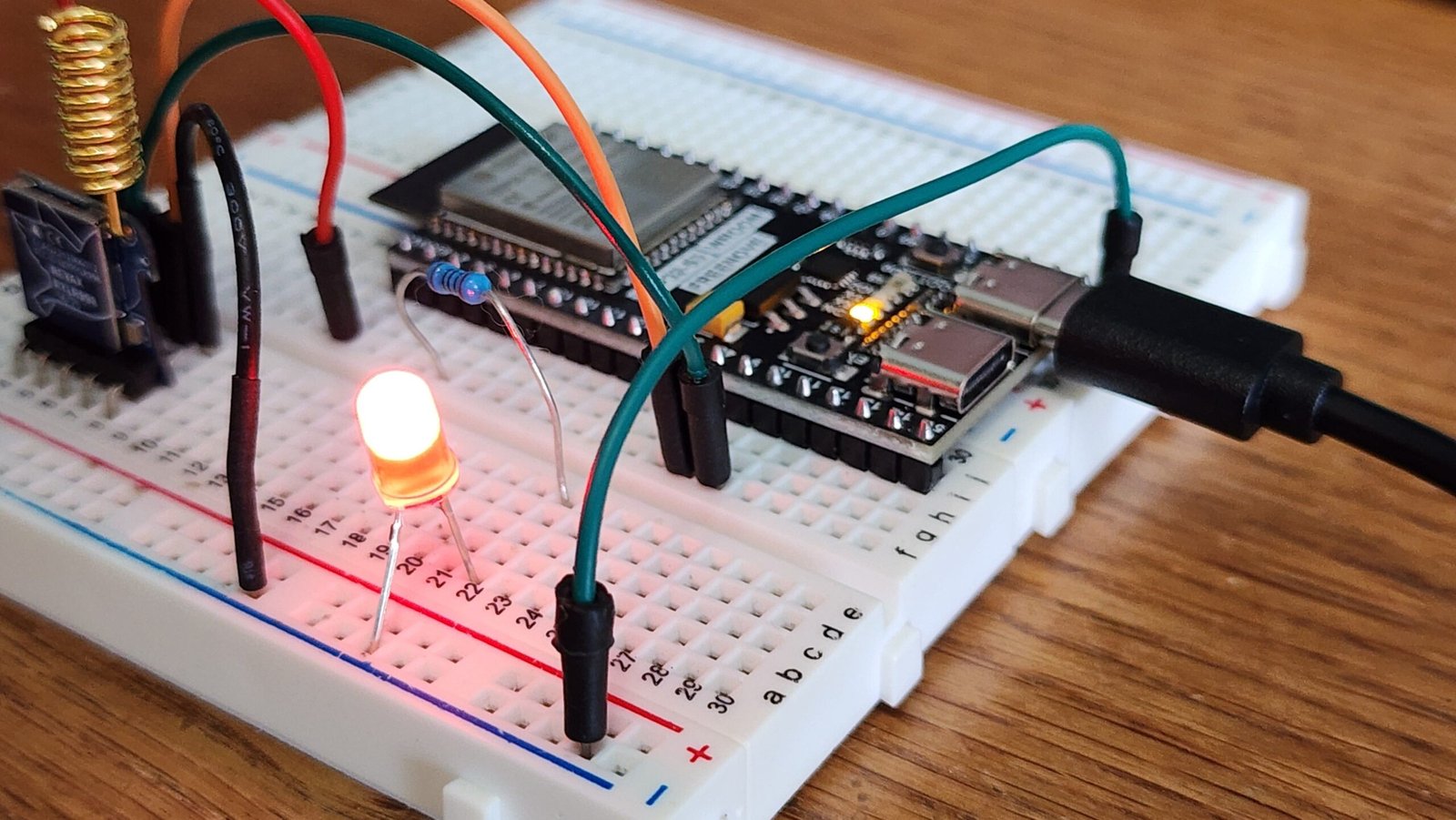
The ACEBOTT ESP32 with IR sensor is a useful combination for learning how microcontrollers interact with sensors and respond to the physical world. ESP32-based systems can read sensor inputs, process those signals in software, and then trigger an action such as moving a motor, turning on an LED, activating a buzzer, or sending information to another system. ACEBOTT provides a range of ESP32-based STEM kits, sensors, and educational resources designed to make these concepts easier to explore.
When people search for an ACEBOTT ESP32 with IR sensor, they may be referring to different infrared components, so it is important to understand the distinction. ACEBOTT offers an infrared obstacle avoidance sensor, an IR receiver module, a PIR motion sensor, and an infrared line-tracking sensor. These devices all use infrared technology in some way, but they do not perform exactly the same job. The QB096 infrared obstacle avoidance sensor, for example, uses transmitted and reflected infrared light to detect an obstacle and provides a digital output to the controller.
This guide explains how an ACEBOTT ESP32 can work with an IR sensor, how the sensor detects objects, how to connect it, how the programming logic works, and how the setup can be expanded into practical robotics and automation projects. Whether you are learning electronics for the first time or experimenting with an ESP32 project, understanding the relationship between the sensor, GPIO pin, program, and output device provides a strong foundation for more advanced projects.
What Is an ACEBOTT ESP32 With IR Sensor?
An ACEBOTT ESP32 with IR sensor setup combines an ESP32 controller with an infrared sensing device. The ESP32 acts as the processing unit: it receives an electrical signal from the sensor, interprets the signal according to the program, and then decides what action should occur. ACEBOTT describes the ESP32 as the core of many of its STEM education products because its interfaces allow sensors and other peripherals to be connected to the controller. ACEBOTT also supports graphical programming as well as Arduino IDE and other programming approaches across its ESP32 learning products.
The IR sensor is responsible for detecting something in the environment. With an infrared obstacle avoidance sensor, an infrared transmitter sends IR light toward an area in front of the sensor. When that light interacts with an object, some of it can be reflected back toward the receiver. The sensor’s electronics process this change and produce an output signal that the ESP32 can read. ACEBOTT’s QB096 documentation specifies an operating voltage of 3.3–5 V and a digital output signal.
This makes the combination particularly useful for beginner robotics because the underlying logic is easy to understand: detect → process → respond. The IR sensor detects a condition, the ESP32 processes the sensor state, and another component performs the desired action.
How the ACEBOTT IR Sensor Works
The operation of an infrared obstacle sensor is based on the behavior of infrared light. The sensor contains an infrared light source and a receiving element. When the transmitter emits infrared light, an object in front of the sensor can reflect some of that light toward the receiver. The sensor’s circuitry then converts the detected optical change into an electrical signal. According to ACEBOTT’s documentation, the signal-processing circuitry can amplify, filter, compare, and otherwise process the electrical signal before providing the sensor output.
For a digital obstacle sensor, the ESP32 does not necessarily receive a precise distance measurement. Instead, the sensor generally provides a digital state indicating whether its detection condition has been triggered. This distinction is important when designing a project. If you need an approximate distance measurement, an ultrasonic or another appropriate distance sensor may be more suitable. If you simply need to know whether an object is detected, an infrared obstacle sensor can provide a straightforward solution.
The actual behavior can also depend on the sensor’s adjustment and the characteristics of the object being detected. Surface color, reflectivity, angle, ambient lighting, and sensor positioning can affect infrared detection. Consequently, an IR sensor should be tested in the actual environment where the project will operate rather than assuming that every object will be detected in exactly the same way.
ACEBOTT ESP32 With IR Sensor Wiring
Connecting an ACEBOTT IR obstacle sensor to an ESP32 is relatively straightforward when using the wiring specified by ACEBOTT. For the QB096 infrared obstacle avoidance sensor, ACEBOTT’s documentation shows the sensor connected to the ESP32 with VCC to 5V, GND to GND, and the signal connection to digital pin 23. The documented sensor operates from 3.3–5 V and provides a digital signal.
Before powering the circuit, check the exact sensor model and its documentation because different ACEBOTT IR products can have different pin assignments and functions. ACEBOTT’s sensor catalog includes an infrared obstacle avoidance sensor, infrared line-tracking sensor, IR receiver module, and PIR motion sensor, among other devices. These should not be treated as interchangeable simply because they all use the term “IR.”
A typical obstacle-detection setup therefore has three essential connections: power, ground, and signal. The power connection supplies the sensor, the ground provides the electrical reference shared with the ESP32, and the signal wire carries the detection state to a GPIO input. Once these connections are established correctly, the software can continuously read the GPIO pin and react whenever the sensor reports its detection condition.
Basic Programming for an ACEBOTT ESP32 With IR Sensor
One of the advantages of a digital IR obstacle sensor is that the software can be very simple. ACEBOTT’s QB096 tutorial demonstrates a basic Arduino-style program that defines pin 23 as the sensor input, starts serial communication, and uses digitalRead() to check the sensor state. In the documented example, a reading of 0 causes the program to print an obstacle-detection message to the Serial Monitor.
A basic version of the logic can be represented as:
#define IR_SENSOR_PIN 23

void setup() {
  pinMode(IR_SENSOR_PIN, INPUT);
  Serial.begin(115200);
}

void loop() {
  if (digitalRead(IR_SENSOR_PIN) == 0) {
    Serial.println("Obstacle detected!");
  }

  delay(100);
}
The exact code should be adapted to the sensor and board configuration you are using. The important concept is the relationship between the GPIO pin and the sensor. pinMode() tells the ESP32 that the selected pin is being used as an input, while digitalRead() retrieves the current digital state. The program can then use an if statement to determine what should happen when an obstacle is detected.
This simple example is enough to introduce several important programming concepts, including variables, GPIO configuration, conditional statements, loops, and serial debugging. Once those fundamentals are understood, the same sensor input can be connected to much more sophisticated project logic.
Using the IR Sensor for Obstacle Avoidance
One of the most common applications for an ACEBOTT ESP32 with IR sensor is obstacle avoidance in a robot. Instead of simply displaying “Obstacle detected!” in the Serial Monitor, the ESP32 can use the sensor’s signal to control motors. When the path is clear, the robot can continue moving forward. When an obstacle is detected, the program can stop the motors and instruct the robot to turn or reverse.
This is an excellent example of embedded-system decision making because the complete process happens continuously. The ESP32 reads the sensor, evaluates the condition, controls the motor system, and then checks the sensor again. With multiple sensors, a robot can compare conditions on its left and right sides and select a direction based on the programmed rules.
ACEBOTT’s own educational material discusses obstacle avoidance and shows how ESP32-based projects can introduce concepts such as conditional statements, loops, and sensor data processing. Its broader product ecosystem includes smart robot cars and other ESP32-based educational projects.
ACEBOTT ESP32 With IR Sensor for Line Tracking
Another related application is line tracking. However, an infrared obstacle sensor and an infrared line-tracking sensor should not be assumed to be the same component. ACEBOTT lists a QB060 Infrared Line Tracking Sensor separately from its QB096 infrared obstacle avoidance sensor.
Line-tracking systems use infrared sensing to distinguish between different surface conditions, allowing a robot to follow a marked path. A typical robot may use multiple sensing positions so the ESP32 can determine whether the robot is centered over a line or needs to adjust its movement. The controller can then change motor behavior accordingly.
This demonstrates why identifying the exact ACEBOTT sensor model is important when searching for wiring instructions or example code. A tutorial for the QB096 obstacle sensor should not automatically be applied to a QB060 line sensor, even though both use infrared technology.
ACEBOTT ESP32 and IR Receiver Projects
There is another meaning of “IR sensor” that is worth mentioning: an IR receiver used to receive signals from an infrared remote control. This type of component is different from an infrared obstacle sensor. Instead of detecting reflected infrared light from an object, an IR receiver can decode infrared signals transmitted by a compatible remote.
ACEBOTT’s product listings include an IR Receiver Module and an IR remote controller compatible with ESP32 and Arduino. This type of setup can be used to control a robot, switch modes, activate outputs, or send commands to an ESP32 project using a handheld remote.
The distinction is therefore simple: an obstacle sensor is designed to detect an object or change in reflected IR light, while an IR receiver is designed to receive coded infrared communication. Both can be used with an ESP32, but their wiring, libraries, code, and applications can be different.
Projects You Can Build With ACEBOTT ESP32 and IR Sensors
There are many ways to expand an ACEBOTT ESP32 with IR sensor project. A beginner can start with a simple obstacle indicator using an LED or buzzer. Once the basic sensor reading is understood, the project can be expanded into an automatic door concept, a robot obstacle detector, or an interactive STEM experiment. ACEBOTT itself identifies automatic doors, elevators, and security systems as example application areas for its infrared obstacle avoidance sensor.
A more advanced project can combine the IR sensor with motors. For example, a small robot can move forward until the sensor detects an obstacle, stop, turn, and continue. Multiple sensors can provide additional information and allow more complex movement decisions. You can also combine an IR sensor with an ultrasonic sensor, LEDs, a buzzer, a display, or other modules to create a more informative system.
ACEBOTT’s ESP32 development kits are designed around this type of modular experimentation. Its QE202 ESP32 Advanced Development Kit, for example, includes multiple sensor and display modules and supports project-based learning with Arduino IDE, Blockly-style programming, and Python.
Troubleshooting ACEBOTT ESP32 With IR Sensor
If your ACEBOTT ESP32 does not respond to the IR sensor, start by checking the physical connections. Confirm that the sensor has the correct power supply, that its ground is connected to the ESP32 ground, and that the signal wire is connected to the GPIO pin used in the program. For the QB096 example, ACEBOTT specifies 5V, GND, and digital pin 23.
Next, verify that your software is configured for the correct board and GPIO pin. A surprisingly common problem in microcontroller projects is changing the physical connection without changing the pin number in the program. If the sensor is connected to one GPIO while the code reads another, the program will not receive the expected signal.
You should also test the sensor with a very simple Serial Monitor program before combining it with motors or other hardware. This isolates the sensor from the rest of the project and makes troubleshooting easier. If the Serial Monitor changes when an object is placed in front of the sensor, the basic sensor-to-ESP32 connection is working and you can move on to the next part of the project.
Finally, remember that infrared detection can depend on the object and environment. Highly reflective surfaces, dark materials, different angles, and ambient conditions can affect the result. Adjust the sensor’s position and, where applicable, its sensitivity according to the manufacturer’s instructions rather than assuming that inconsistent detection automatically means the ESP32 is defective.
Why ESP32 Is Useful for IR Sensor Projects
The ESP32 is particularly useful for sensor projects because it provides a microcontroller platform capable of handling multiple inputs and outputs while also supporting wireless connectivity. ACEBOTT highlights interfaces such as GPIO, I2C, and SPI as part of the ESP32’s usefulness for connecting peripherals and developing interactive projects.
For beginners, this means an IR sensor can be the starting point rather than the entire project. After learning how to read one digital input, you can add additional sensors and outputs and gradually develop more complicated systems. The same fundamental programming concepts—reading inputs, making decisions, and controlling outputs—appear repeatedly in robotics, automation, and IoT development.
The educational approach also makes ESP32 projects useful for learning by experimentation. Instead of studying sensor theory only in a textbook, students can connect a real component, change the program, observe the result, and troubleshoot the circuit. This combination of hardware and software provides a practical introduction to embedded systems.
Safety and Best Practices
When working with an ESP32 and sensors, always verify the voltage requirements of the specific hardware before connecting it. Do not assume that every module with an “IR” label has identical electrical characteristics. ACEBOTT’s QB096 documentation specifically states its operating range as 3.3–5 V, but other sensors or modules may have different specifications.
It is also good practice to begin with a simple test program before connecting motors, relays, or other higher-current components. Keeping the sensor test separate makes it easier to determine whether a problem comes from the sensor, wiring, software, or another part of the project.
For educational projects, document the GPIO pins, sensor model, voltage, and software settings you use. This becomes increasingly valuable as your project grows because ESP32 systems can quickly involve several sensors and output devices.
Conclusion
The ACEBOTT ESP32 with IR sensor provides a practical way to learn how sensors, microcontrollers, and software work together. An infrared obstacle sensor can detect changes caused by objects and provide a digital signal that the ESP32 can process. ACEBOTT’s QB096 documentation provides a straightforward example using 5V power, ground, and GPIO 23, along with Arduino-style code for detecting an obstacle.
The real value of this setup is its flexibility. A basic sensor-reading experiment can become an obstacle-avoidance robot, an automation project, or a larger STEM experiment involving multiple sensors and outputs. At the same time, it is important to identify the exact IR component being used because an obstacle avoidance sensor, line-tracking sensor, PIR sensor, and IR receiver have different purposes.
For anyone learning ESP32 programming and electronics, starting with a simple ACEBOTT ESP32 with IR sensor project can provide a strong foundation. Once the basic connection and digital input are understood, you can progressively add more hardware, more sophisticated programming, and more advanced project ideas.
Frequently Asked Questions
What is an ACEBOTT ESP32 with IR sensor?
An ACEBOTT ESP32 with IR sensor is a project setup that combines an ESP32 controller with an infrared sensing component. The sensor detects a particular infrared-related condition and sends an electrical signal to the ESP32, which can then make a programmed decision.
Which ACEBOTT IR sensor works with ESP32?
ACEBOTT offers several infrared-related sensors and modules. Its QB096 infrared obstacle avoidance sensor is documented for use with an ESP32, while the company’s catalog also lists an IR receiver module and infrared line-tracking sensor.
What GPIO pin does the ACEBOTT QB096 IR sensor use?
ACEBOTT’s QB096 tutorial shows the sensor’s signal connection going to digital pin 23 on the ESP32. The same documentation specifies VCC connected to 5V and GND connected to GND.
Is an IR obstacle sensor the same as an IR receiver?
No. An IR obstacle sensor generally detects reflected infrared light or an obstruction, while an IR receiver is designed to receive infrared signals, such as commands from a compatible remote control. ACEBOTT lists these as different products.
Can I use an ACEBOTT IR sensor to build a robot?
Yes. An IR obstacle sensor can be used as an input for a robot’s obstacle-detection logic. The ESP32 can read the sensor and control motors based on whether an obstacle is detected. ACEBOTT’s ESP32 ecosystem includes robotics and obstacle-avoidance learning applications.
Can beginners use ACEBOTT ESP32 with an IR sensor?
Yes. A basic digital IR sensor project can be a good introduction to GPIO inputs, conditional statements, loops, and sensor-based control. ACEBOTT also provides ESP32 getting-started resources and educational materials for different programming approaches.
Why is my ACEBOTT IR sensor not detecting objects?
Check the power, ground, signal connection, GPIO number, and program first. If those are correct, test different objects and positions because infrared reflection can vary according to the object’s surface and angle. Also make sure you are using instructions for the exact ACEBOTT sensor model you have.
Where can I find ACEBOTT ESP32 and sensor documentation?
ACEBOTT maintains an online documentation area containing ESP32 getting-started guides, sensor tutorials, and other project resources.

A smoke alarm chirp can be one of the most frustrating sounds in a home, especially when it starts during the middle of the night. A single short chirp every few seconds or minutes may seem insignificant compared with the loud continuous alarm produced during a fire, but it should not simply be ignored. In most cases, a periodic chirp is the smoke alarm telling you that something needs attention. The cause may be as simple as a weak battery, but other possibilities include a battery that has not been installed correctly, dust or debris inside the alarm, a power interruption, an issue with a hardwired connection, environmental conditions, or an alarm that has reached the end of its service life. Understanding what the sound means can help you troubleshoot the problem without accidentally disabling an important safety device.
The first thing to remember is that a chirping smoke alarm is different from a smoke alarm sounding continuously because it detects smoke. A continuous alarm or repeated loud alarm pattern should always be treated seriously, and you should immediately check for smoke or fire and follow your household fire-escape plan. A periodic chirp, on the other hand, is commonly associated with a maintenance or fault condition, although the exact meaning depends on the manufacturer and model. Because smoke alarms can use different sound patterns and warning codes, checking the instructions for your specific alarm is always the safest approach. This guide explains the most common reasons for a smoke alarm chirp, practical troubleshooting steps, situations where replacing the alarm may be necessary, and important safety precautions to keep in mind.
What Does a Smoke Alarm Chirp Mean?
A smoke alarm chirp generally indicates that the device has detected a condition requiring attention rather than an active fire. One of the most common reasons is a low battery. Battery-powered smoke alarms are designed to provide an audible warning when the battery voltage becomes too low for reliable operation. Depending on the model, the alarm may chirp at regular intervals for days or weeks before the battery becomes completely depleted. This feature is useful because a smoke alarm that cannot maintain adequate battery power may not provide the protection you expect when it is needed.
However, a low battery is not the only explanation for a smoke alarm chirp. Some alarms can chirp because of an internal fault, an improperly installed battery, dust accumulation, power interruption, or another maintenance condition. Hardwired smoke alarms can also produce a chirping sound even though they are connected to household electrical power because many models have a backup battery. If the backup battery becomes weak, the alarm can begin chirping just like a battery-powered unit. This is why replacing the backup battery can sometimes solve a chirping problem even when the smoke alarm is connected directly to the electrical system.
Why Is My Smoke Alarm Chirping?
The most common explanation for a smoke alarm chirp is a low or depleted battery. If the alarm has been operating for a long time without a battery change, replacing the battery is one of the first maintenance steps to consider. Use the battery type specified by the manufacturer and make sure it is inserted in the correct orientation. Some newer smoke alarms use sealed batteries that are not intended to be replaced by the homeowner, so always follow the instructions for your particular model rather than forcing the alarm open or attempting to modify it.
Another possible cause is that the battery compartment is not completely closed or the battery is not making proper contact with the terminals. Even a new battery may fail to resolve the problem if it is incorrectly positioned or if the alarm’s battery compartment has not been properly secured. After installing a replacement battery, some alarms require a test or reset procedure. Follow the manufacturer’s instructions and use the test button to confirm that the alarm is functioning correctly. If the chirping continues after a proper battery replacement and reset, there may be another issue that requires further troubleshooting.
Dust and small particles can also affect a smoke alarm. Smoke alarms contain sensors that need to detect particles in the air, and accumulated dust or debris can interfere with their operation. A dusty alarm may produce unexpected warning sounds or become more prone to nuisance alarms. Keeping the exterior and sensor openings clean according to the manufacturer’s instructions can help maintain reliable operation. Avoid spraying cleaning products directly into the alarm, soaking it with liquid, or using methods that could damage the sensing chamber or electronic components.
Smoke Alarm Chirping Every 30 Seconds: What Does It Mean?
If your smoke alarm is chirping every 30 seconds, the sound may be a maintenance warning, but the exact meaning varies between manufacturers and models. Many alarms use a periodic chirp to indicate a low battery, while others may use different intervals or sound patterns to identify additional conditions. Because there is no universal chirp code that applies to every smoke alarm, it is better not to assume that a specific interval always means the same thing.
Start by identifying the alarm’s manufacturer and model number. The information may be printed on the front, back, side, or inside the battery compartment. Once you know the model, consult the manufacturer’s instructions to determine what the particular chirping pattern represents. This approach is more reliable than guessing based solely on the frequency of the sound. If the alarm is old, damaged, or continues chirping despite following the manufacturer’s troubleshooting instructions, replacement may be more appropriate than repeatedly attempting temporary fixes.
How to Stop a Smoke Alarm Chirp
The safest way to stop a smoke alarm chirp is to identify and correct the condition causing it rather than simply silencing the device. Begin by determining whether the sound is actually a periodic chirp or a full alarm. If there is smoke, a burning smell, visible fire, or another indication of an emergency, leave the area and contact emergency services according to your local procedures. Never assume that a loud alarm is merely a low-battery warning.
If there is no indication of fire and the alarm is producing a periodic chirp, check the battery if the model has a replaceable battery. Replace it with the correct type recommended by the manufacturer. Make sure the battery is seated correctly and that the compartment is fully closed. Then use the test button according to the manufacturer’s instructions. If your smoke alarm is hardwired, do not attempt to disconnect household wiring yourself simply to stop the noise. Hardwired alarms can contain backup batteries and may also be interconnected with other alarms in the home, so troubleshooting should follow the manufacturer’s instructions and applicable electrical-safety requirements.
If a new battery does not solve the problem, inspect the alarm for obvious dust or debris and clean it only as recommended by the manufacturer. Check whether the alarm has reached the end of its recommended service life. Smoke alarms are not designed to operate indefinitely, and an older unit may need replacement even if its battery is functioning properly. If the alarm continues to chirp after appropriate maintenance, replacing the unit with a compatible, approved smoke alarm may be the most practical solution.
Why Does My Smoke Detector Chirp at Night?
A smoke detector chirping at night can seem especially mysterious because the alarm may appear to work normally during the day. One reason people notice this more at night is that the house is quieter, making a periodic chirp much easier to hear. Temperature and environmental changes can also affect certain alarms, although the specific behavior depends on the device. A battery that is already approaching the end of its useful life may become more noticeable when the alarm begins producing its low-battery warning.
If you hear a chirp at night, resist the temptation to remove the battery and leave the alarm disabled until morning. Instead, determine whether there is any immediate indication of smoke or fire. If there is no emergency, follow the manufacturer’s troubleshooting instructions and replace a replaceable battery if appropriate. If you cannot identify the cause, it is better to investigate the alarm or have it checked rather than permanently disabling it. A smoke alarm that has been silenced or disconnected cannot provide its intended protection.
Can a Hardwired Smoke Alarm Chirp?
Yes, a hardwired smoke alarm can chirp. Being connected to household electricity does not necessarily mean the alarm has no battery. Many hardwired smoke alarms include a backup battery so they can continue operating during a power outage. If that backup battery becomes weak, the alarm may begin chirping even though the home’s electrical power appears normal.
Power interruptions can also be relevant. A brief interruption or electrical event may cause certain hardwired alarms to produce a warning sound. Interconnected systems can make troubleshooting more complicated because multiple alarms may communicate with one another. If several alarms are involved, consult the installation and troubleshooting instructions for the system rather than randomly disconnecting individual units. When electrical wiring or installation is involved and you are uncertain about what to do, using a qualified professional is safer than experimenting with household wiring.
What If the Smoke Alarm Still Chirps After a New Battery?
A new battery does not always solve a smoke alarm chirp. If the battery is definitely the correct type and is installed correctly, the next possibilities include contamination, a power issue, an internal fault, an installation problem, or an alarm that has reached the end of its service life. Some alarms also require a reset procedure after battery replacement, so checking the model-specific instructions is important.
If cleaning and resetting the alarm according to the manufacturer’s instructions do not stop the chirping, check its age and condition. Smoke alarms have a limited service life, and an old unit may need to be replaced rather than repaired. Look for the manufacture date or replacement information on the alarm itself. If the device is damaged, discolored, repeatedly malfunctioning, or otherwise unreliable, replacement is generally preferable to continuing to rely on it.
How to Clean a Chirping Smoke Alarm
Dust can accumulate around the openings of a smoke alarm over time, particularly in areas where airborne particles are common. Cleaning the device can therefore be part of routine smoke alarm maintenance, but it should be done carefully. Follow the manufacturer’s cleaning instructions and use only methods that are approved for that specific model. The goal is to remove dust and debris without introducing moisture or damaging the sensing mechanism.
Do not paint over a smoke alarm, cover its openings, spray chemicals directly into it, or deliberately obstruct its sensor. These actions can interfere with its ability to detect smoke. If the alarm continues to behave abnormally after appropriate cleaning, the problem may not be contamination at all. In that situation, checking the manufacturer’s troubleshooting guidance or replacing an outdated unit may be more appropriate.
When Should You Replace a Smoke Alarm?
A smoke alarm should be replaced when it reaches the end of the service life specified by its manufacturer, even if it appears to be working normally. Electronic components and sensing technology can deteriorate over time, meaning an old alarm should not necessarily be considered reliable simply because its test button still produces a sound. The exact replacement interval can vary by product and manufacturer, so check the instructions and labeling for your model.
You should also consider replacement if the alarm repeatedly chirps or malfunctions after you have followed the manufacturer’s troubleshooting procedures. Physical damage, corrosion, persistent false alarms, or other signs of deterioration are additional reasons to evaluate whether a replacement is needed. When buying a new unit, select an approved smoke alarm appropriate for the location and installation requirements of your home, and follow the manufacturer’s instructions carefully.
Smoke Alarm Chirp vs. a Real Smoke Alarm
Understanding the difference between a maintenance chirp and an emergency alarm is extremely important. A short periodic chirp often indicates a condition such as low battery or another maintenance issue, while a loud alarm pattern can indicate that the detector has sensed smoke or another condition specified by the manufacturer. However, sound patterns differ between models, so you should learn the alarm signals for the specific devices installed in your home.
Never ignore an alarm simply because you believe it is probably a battery warning. If the alarm sounds continuously or you notice smoke, heat, flames, or a burning odor, treat the situation as a potential fire emergency. Get everyone to safety and follow your local emergency procedures. Smoke alarms are designed to provide an early warning, and responding promptly is much more important than trying to determine the exact cause while remaining inside a potentially dangerous environment.
Tips to Prevent Smoke Alarm Chirping
Regular maintenance can reduce the likelihood of unexpected smoke alarm chirping. Check your alarms according to the manufacturer’s recommendations, keep them free of visible dust and debris, and replace batteries when required. It is also useful to become familiar with the sound patterns and test procedures for the alarms installed in your home. Keeping track of the age of each alarm can help you remember when replacement may be necessary.
Avoid removing batteries simply because an alarm is inconvenient or produces nuisance sounds. If a smoke alarm repeatedly activates without an obvious cause, investigate the reason rather than permanently disabling it. Cooking fumes, steam, dust, and other environmental factors can contribute to nuisance alarms depending on where the device is installed. If a location repeatedly causes problems, consult the manufacturer’s installation guidance to determine whether the alarm is positioned appropriately.
Conclusion
A smoke alarm chirp is usually a warning that your smoke alarm needs attention, and the most common cause is a low or depleted battery. However, battery replacement is not always the complete answer. Dust, incorrect battery installation, power interruptions, backup batteries in hardwired systems, internal faults, and an alarm reaching the end of its service life can also contribute to persistent chirping. The safest approach is to identify the alarm model, follow the manufacturer’s instructions, correct the underlying problem, and make sure the alarm remains operational.
Most importantly, never confuse a periodic maintenance chirp with a potential fire emergency. If you hear a loud alarm and there are signs of smoke or fire, prioritize getting yourself and others to safety rather than troubleshooting the device. A properly maintained smoke alarm is an important part of home fire protection, so a persistent chirp should be treated as a reason to inspect and maintain the alarm rather than simply silence it.
Frequently Asked Questions About Smoke Alarm Chirp
1. Why is my smoke alarm chirping?
The most common cause is a low battery, but a smoke alarm can also chirp because of an incorrectly installed battery, dust, a power interruption, an internal fault, or an alarm that needs replacement. Check the manufacturer’s instructions for your specific model.
2. How do I stop a smoke alarm from chirping?
If there is no sign of fire, start by checking the battery and replacing it with the manufacturer-recommended type if it is replaceable. Make sure it is installed correctly and follow the manufacturer’s reset and testing instructions. If chirping continues, investigate other maintenance issues or consider replacing an old alarm.
3. Why does my smoke alarm chirp every 30 seconds?
A periodic chirp can indicate a low battery or another maintenance condition, but the exact meaning varies by manufacturer and model. Check the instructions for your specific alarm rather than assuming that every 30-second chirp has the same meaning.
4. Why is my smoke detector chirping at night?
A chirp may become more noticeable at night because the surrounding environment is quieter. A weak battery or another warning condition may be responsible. Check the alarm’s battery and manufacturer-specific troubleshooting instructions.
5. Can a hardwired smoke alarm chirp?
Yes. Many hardwired smoke alarms have backup batteries, and a weak backup battery can cause chirping. Hardwired alarms can also produce warnings related to power or system conditions.
6. What if my smoke alarm keeps chirping after I change the battery?
Check that the replacement battery is the correct type and installed properly. Follow the manufacturer’s reset procedure and inspect the alarm for dust or other maintenance issues. If the chirping continues, the alarm may need replacement or professional evaluation.
7. Should I remove the battery from a chirping smoke alarm?
You should not leave a smoke alarm disabled simply to stop the chirping. Determine the cause and correct it as soon as possible. If there is any indication of smoke or fire, leave the area and follow your emergency procedures.
8. How often should smoke alarms be replaced?
Follow the replacement interval specified by the manufacturer and the applicable safety guidance for your location. Smoke alarms have a limited service life, so an old alarm should be replaced even if it still appears to function.
9. Can dust cause a smoke alarm to chirp?
Dust or debris can interfere with smoke alarm operation and may contribute to nuisance alarms or other abnormal behavior. Clean the alarm only according to the manufacturer’s instructions and never block or cover its sensing openings.
10. Is a smoke alarm chirp always a low battery?
No. A low battery is common, but chirping can have several causes. The manufacturer’s documentation is the best source for interpreting the specific sound pattern produced by your alarm.

Chevrolet Hybrid SUV: Complete Guide to Chevy Hybrid Options, EV Alternatives, and What to Expect

ACEBOTT ESP32 With IR Sensor: How It Works, Wiring, Programming, and Projects

Smoke Alarm Chirp: Why It Happens and How to Stop It Safely

Cleveland Daily Banner Obituaries: A Complete Guide to Finding Recent Death Notices, Archived Records, and Memorial Tributes

104.7 Contest: Complete Guide to Enter, Rules, Prizes, and Winning Tips

Tech FeedBuzzard: The Ultimate Guide to Technology News, AI, Gadgets, and Digital Innovation
 Tech4 months ago
Cleveland Daily Banner Obituaries: A Complete Guide to Finding Recent Death Notices, Archived Records, and Memorial Tributes
- Tech4 months ago
104.7 Contest: Complete Guide to Enter, Rules, Prizes, and Winning Tips
- Technology4 months ago
Tech FeedBuzzard: The Ultimate Guide to Technology News, AI, Gadgets, and Digital Innovation
- Entertainment4 months ago
Basket Random GitHub: Complete Guide to Source Code, Gameplay, Development, and Open-Source Projects
- fitness4 months ago
H1: ABS Testauslösung – Funktion, Ursachen, Diagnose und Lösungen einfach erklärt
- Fashion4 months ago
Trendy Designs: The Ultimate Guide to Modern Style and Creative Inspiration
- Blog3 months ago
Poncho Pikachu: The Complete Guide to Pokémon’s Most Adorable and Valuable Collectible
- Entertainment4 months ago
Basketball Random.GitHub: The Complete Guide to Random Basketball Generators