
Tech
Flex Time Manager: The Ultimate Guide to Smarter Time Management, Productivity, and Workplace Flexibility

Published
4 months agoon
Table of Contents
ToggleA Flex Time Manager is more than just a scheduling tool—it is a comprehensive approach to organizing employee work hours while giving individuals the freedom to balance professional responsibilities with personal commitments. As organizations continue embracing remote work, hybrid environments, and flexible scheduling, the demand for effective flex time management solutions has grown significantly. Businesses of every size are searching for ways to improve productivity, reduce employee burnout, and increase job satisfaction without sacrificing operational efficiency.
Traditional work schedules often force employees into rigid timeframes that may not align with their peak productivity hours or personal obligations. A flex time manager addresses this challenge by enabling organizations to create adaptable schedules, monitor attendance, track work hours, manage shifts, and ensure compliance with company policies. Whether used by HR departments, team leaders, freelancers, or remote workers, flex time management systems provide the flexibility needed to meet both organizational goals and employee expectations.
In this comprehensive guide, you will learn everything about flex time managers, including their benefits, essential features, practical applications, implementation strategies, common challenges, and future trends. By understanding how flexible time management works, businesses can create healthier workplaces while improving overall performance and employee engagement.
What Is a Flex Time Manager?
A Flex Time Mangaer is a person, software platform, or management system designed to organize and oversee flexible work schedules. Unlike traditional scheduling methods that require employees to work fixed hours, a flex time manager allows workers to choose their start and finish times within company-approved guidelines. This flexibility helps employees better manage personal commitments while ensuring business operations continue smoothly.
Modern flex time management software includes scheduling tools, attendance tracking, reporting dashboards, overtime calculations, leave management, payroll integration, and communication features. These systems simplify workforce management by automating repetitive administrative tasks while providing managers with real-time insights into employee availability and productivity.
Organizations across industries—including healthcare, technology, education, retail, manufacturing, and customer support—are increasingly implementing flex time management systems to accommodate changing workforce expectations and improve operational efficiency.
Why Flex Time Management Is Important
Flexible scheduling has become one of the most requested workplace benefits worldwide. Employees value the freedom to structure their workday around family responsibilities, education, commuting, or personal productivity patterns. Businesses benefit by attracting skilled professionals, reducing absenteeism, increasing retention, and improving morale.
A flex time manager helps organizations coordinate these flexible arrangements without disrupting workflows or customer service. By maintaining clear scheduling policies and transparent communication, companies can balance employee autonomy with operational requirements. The result is a workplace where employees feel trusted and empowered while managers maintain visibility into staffing needs and performance metrics.
Key Features of a Flex Time Manager
A high-quality flex time management system typically includes a wide range of features designed to streamline workforce scheduling and administrative processes.
Flexible Scheduling
Employees can choose their preferred working hours while meeting required daily or weekly work targets. Managers retain approval authority and can ensure adequate staffing throughout the day.
Attendance Tracking
Automatic clock-in and clock-out functionality records employee work hours accurately, reducing manual errors and simplifying payroll processing.
Shift Planning
Managers can create recurring schedules, assign shifts, swap shifts, and adjust staffing levels quickly based on workload or seasonal demand.
Leave Management
Employees can submit vacation, sick leave, or personal leave requests through the system, while managers approve or reject requests digitally.
Payroll Integration
Accurate time tracking ensures payroll calculations reflect actual working hours, overtime, holiday pay, and leave balances.
Reporting and Analytics
Managers gain access to productivity reports, attendance summaries, overtime analysis, and workforce utilization metrics that support informed decision-making.
Benefits of Using a Flex Time Manager
Implementing a flex time manager offers advantages for both employees and employers. Flexible scheduling contributes to improved mental well-being by allowing employees to work during their most productive hours while accommodating personal responsibilities. This flexibility often leads to higher engagement, increased motivation, and stronger job satisfaction.
Businesses also benefit from improved workforce planning, lower absenteeism, reduced turnover, and greater employee loyalty. Automated scheduling and attendance tracking minimize administrative burdens, allowing HR teams and managers to focus on strategic initiatives rather than manual paperwork. Accurate reporting supports better staffing decisions, reduces payroll errors, and ensures compliance with labor regulations.
Additionally, organizations with flexible work policies often gain a competitive advantage in recruiting top talent. Modern professionals increasingly prioritize work-life balance, making flexible scheduling an attractive employment benefit.
How Flex Time Managers Improve Workplace Productivity
A well-implemented flex time manager aligns employee schedules with business needs while respecting individual preferences. Employees who work during their peak productivity periods often produce higher-quality work, complete tasks more efficiently, and experience less stress throughout the day.
Managers can monitor workloads, identify scheduling conflicts, and redistribute responsibilities before problems affect operations. Teams become more collaborative because scheduling information is visible, communication improves, and employees have greater control over their availability. Over time, these improvements contribute to stronger organizational performance and better customer service.
Best Practices for Implementing a Flex Time Manager
Organizations should begin by defining clear flexible scheduling policies that outline eligibility, core working hours, communication expectations, and performance standards. Transparent guidelines reduce misunderstandings and ensure consistency across departments.
Managers should provide training for both supervisors and employees so everyone understands how scheduling tools function and how responsibilities are shared. Regular performance reviews and employee feedback sessions help identify areas for improvement and ensure the flexible scheduling program continues meeting organizational objectives.
Technology should support—not complicate—the scheduling process. Choosing user-friendly software with mobile access, automation features, and integration capabilities simplifies adoption while reducing administrative workloads.
Common Challenges of Flex Time Management
Although flexible scheduling offers many advantages, organizations may encounter challenges during implementation. Coordinating employee availability across multiple departments requires careful planning, particularly in customer-facing industries where consistent coverage is essential.
Communication can also become more complex when employees work different schedules. Managers should establish standardized communication channels, shared calendars, and regular team meetings to maintain collaboration.
Monitoring productivity based solely on working hours may not accurately reflect employee performance. Organizations should focus on measurable outcomes, project completion, and quality of work rather than simply tracking time spent online.
Future of Flex Time Management
As workplace technology continues evolving, artificial intelligence and automation are transforming flex time management. Advanced scheduling systems can forecast staffing requirements, recommend optimized work schedules, detect scheduling conflicts, and analyze productivity trends automatically.
Cloud-based workforce management platforms support remote and hybrid teams by providing secure access from anywhere. Mobile applications enable employees to manage schedules, request leave, swap shifts, and receive notifications instantly. As businesses increasingly prioritize employee well-being and operational agility, flex time management will remain an essential component of modern workforce strategy.
Final Thoughts
A Flex Time Manager represents the future of workplace scheduling by combining flexibility, accountability, and productivity into one comprehensive management approach. Whether implemented through dedicated software or organizational policy, flexible time management empowers employees while helping businesses operate more efficiently. Companies that embrace flexible scheduling often experience improved employee satisfaction, stronger retention, increased productivity, and better overall performance. As the modern workplace continues evolving, investing in effective flex time management practices is no longer optional—it is a strategic advantage that supports long-term organizational success.
Frequently Asked Questions (FAQs)
1. What is a Flex Time Manager?
A Flex Time Manager is a system, software solution, or management approach that organizes flexible employee work schedules while tracking attendance, productivity, and workforce availability.
2. Who should use a Flex Time Manager?
Businesses of all sizes, HR departments, project managers, remote teams, freelancers, and hybrid organizations can benefit from flex time management systems.
3. What are the benefits of flexible work scheduling?
Flexible scheduling improves employee satisfaction, increases productivity, supports work-life balance, reduces absenteeism, strengthens retention, and enhances overall organizational efficiency.
4. Can small businesses use a Flex Time Manager?
Yes. Small businesses can use flex time management tools to simplify scheduling, automate attendance tracking, improve payroll accuracy, and manage employee availability effectively.
5. Does a Flex Time Manager improve productivity?
Yes. Employees often perform better when working during their most productive hours, while managers gain better visibility into schedules, workloads, and staffing needs.
6. Is flex time management suitable for remote teams?
Absolutely. Flex time management is especially valuable for remote and hybrid teams because it supports flexible scheduling, online attendance tracking, digital communication, and performance monitoring across different locations.
7. What features should businesses look for in Flex Time Manager software?
Businesses should look for flexible scheduling, attendance tracking, shift management, leave management, payroll integration, reporting dashboards, mobile access, notifications, and workforce analytics.
8. Why is Flex Time Management becoming more popular?
The growth of remote work, hybrid workplaces, and employee demand for better work-life balance has made flexible scheduling one of the most valuable workplace strategies for improving productivity and retaining skilled talent.
You may like
Tech
Domikyo.com: Complete Guide, Features, Benefits, Review, and Everything You Need to Know
Published
3 months agoon
July 30, 2026
Table of Contents
ToggleThe internet is filled with thousands of websites offering information, services, entertainment, and digital experiences, making it difficult for users to determine which platforms deserve their attention. As new websites continue to emerge, people naturally look for reliable information before deciding whether to explore a platform. One name that has started appearing in online searches is Domikyo.com, prompting users to ask questions about its purpose, features, reliability, and overall value. Whether you discovered the website through search engines, social media, or recommendations, understanding what it offers can help you make informed decisions.
This comprehensive guide explores Domikyo.com in detail, covering its purpose, possible features, advantages, user experience, security considerations, best practices, and reasons why people search for it. By the end of this article, you will have a clear understanding of the platform and know what factors to consider before using any online service.
What Is Domikyo.com?
Domikyo.com is an online platform that users search for to learn more about its content, services, and functionality. Depending on how the site evolves, it may provide information, tools, resources, or other online experiences designed for its audience. As with any website, understanding its purpose is an important first step before creating an account, sharing information, or relying on its content.
Many internet users begin their research by looking for reviews, feature summaries, and independent discussions. This approach helps them determine whether a website aligns with their needs and expectations. Taking the time to understand a platform can also reduce the chances of encountering misleading information or using services that do not meet your requirements.
Why Is Domikyo.com Becoming Popular?
There are several reasons why a website can attract growing attention. Search engine visibility, recommendations from users, social media discussions, and unique services all contribute to increased interest. People often search for websites that promise useful information, innovative tools, or a better user experience than competing platforms.
Another reason for rising popularity is curiosity. When users notice an unfamiliar domain appearing in search results or shared online, they naturally want to learn more about its purpose and credibility. This growing interest often leads to more reviews, discussions, and comparisons with similar platforms.
Main Features of Domikyo.com
Every successful online platform focuses on delivering value to its visitors. While specific features may change over time, users often evaluate websites based on several common characteristics.
A well-organized layout helps visitors quickly find information without unnecessary confusion. Responsive design ensures that the platform works smoothly on desktops, tablets, and smartphones. Fast loading speeds improve the browsing experience and reduce frustration, while intuitive navigation allows users to move between pages efficiently. Many users also appreciate search functionality, categorized content, and clear menus that make exploring the website easier.
Modern websites increasingly prioritize accessibility, making content readable and usable for people with different devices and browsing preferences. These qualities contribute to a positive overall experience and encourage repeat visits.
Benefits of Using Domikyo.com
One of the biggest advantages of discovering a new online platform is access to resources or services that may simplify everyday tasks. Users often appreciate websites that present information clearly, save time, and provide content that addresses their questions directly.
Another benefit is convenience. A platform that organizes information effectively allows visitors to locate what they need without navigating through unnecessary pages. Regular updates, accurate information, and responsive performance further improve user satisfaction and help build trust over time.
When a website consistently delivers useful content and maintains a reliable browsing experience, visitors are more likely to return and recommend it to others.
User Experience
User experience is one of the most important factors determining whether visitors remain on a website. Clean page layouts, readable typography, consistent navigation, and mobile optimization all contribute to a positive impression. Websites that minimize clutter and focus on usability typically enjoy lower bounce rates and higher engagement.
Fast page loading is another critical factor. Research consistently shows that users expect websites to load quickly, and delays often result in visitors leaving before interacting with the content. A responsive design that adapts to different screen sizes also enhances accessibility for users browsing on smartphones or tablets.
Is Domikyo.com Safe?
Whenever you encounter a website you are unfamiliar with, it is wise to evaluate its trustworthiness before sharing personal information or making transactions. Look for secure connections (HTTPS), review the site’s privacy policy, check contact information, and read feedback from multiple independent sources. Be cautious of unsolicited requests for sensitive data or payments.
No website should be considered completely risk-free based solely on its name or appearance. Following general online safety practices—such as using strong passwords, enabling two-factor authentication where available, and avoiding suspicious downloads—can help protect your information.
Tips for Getting the Best Experience
To make the most of any online platform, start by exploring its main sections and understanding what it offers. Use official resources when available, keep your browser updated, and verify important information through multiple trusted sources if it influences significant decisions. Bookmark useful pages and revisit them periodically if the website is updated regularly.
Conclusion
Domikyo.com is a website that has attracted interest from users looking to understand its purpose, features, and overall usefulness. Before relying on any online platform, it is important to research its content, evaluate its credibility, and follow standard online safety practices. A thoughtful approach helps you decide whether a website meets your needs while protecting your privacy and security. As the platform develops, staying informed through official updates and reputable reviews can help you make the most of what it offers.
Frequently Asked Questions (FAQ)
What is Domikyo.com?
Domikyo.com is a website that users search for to learn about its content, services, or online platform. Its exact offerings may change over time.
Is Domikyo.com free to use?
Whether the platform is free depends on the services it provides. Check the website directly for current pricing or subscription details.
Is Domikyo.com safe?
As with any website, verify that it uses HTTPS, review its privacy policy, and avoid sharing sensitive information until you are confident in its legitimacy.
Can I access Domikyo.com on mobile devices?
If the website uses responsive design, it should be accessible on smartphones and tablets through a modern web browser.
Why are people searching for Domikyo.com?
Users may be looking for reviews, explanations, available features, or information about the website’s services and reliability.
How can I learn more about Domikyo.com?
Visit the website itself, review any official documentation it provides, and compare information with reputable third-party sources to get a balanced understanding.
Tech
Bunkr Album: Complete Guide to Features, Privacy, and File Sharing
Published
3 months agoon
July 24, 2026
Table of Contents
ToggleIn today’s digital world, people regularly need reliable ways to upload, organize, and share files with friends, colleagues, or online communities. Whether you’re storing images, documents, videos, or other digital content, having an organized online album makes managing files much easier. One term that often appears in online searches is Bunkr Album, and many users want to understand what it is, how it works, and how they can use it responsibly.
A Bunkr Album generally refers to a collection of files organized into a single album for easier storage and sharing. Albums allow users to keep related files together instead of distributing individual links one by one. This improves organization and simplifies collaboration when sharing multiple files at once. Understanding how albums work, along with privacy settings and file management techniques, helps users make informed decisions while protecting their data.
This comprehensive guide explains everything you need to know about Bunkr Albums, including their features, organization methods, sharing options, privacy considerations, best practices, advantages, limitations, and frequently asked questions.
What Is a Bunkr Album?
A Bunkr Album is an organized collection of uploaded files grouped into one location. Rather than managing separate uploads individually, users can place related files into an album for easier browsing and sharing. Albums may contain images, videos, documents, or other supported file formats, depending on the platform’s capabilities.
The main purpose of an album is convenience. Instead of sending multiple links, a single album can provide access to an entire collection. This approach saves time, keeps files organized, and improves the user experience for both creators and viewers.
Albums are commonly used for personal organization, project collaboration, portfolios, educational resources, and other legitimate file-sharing needs.
Why Do People Use a Bunkr Album?
There are many reasons users prefer organizing files into albums instead of uploading everything separately. Albums simplify navigation, reduce clutter, and make it easier to locate related content.
For photographers, an album can hold an entire photo shoot. Designers can organize project assets into folders. Students may keep study materials together, while teams can share project documents without sending dozens of separate links. Albums help maintain order as digital collections grow over time.
Another benefit is consistency. Visitors can browse an organized collection instead of opening numerous individual pages, making the experience more efficient and user-friendly.
Key Features of a Bunkr Album
Several features make albums useful for organizing digital content.
Organized File Collections
Grouping files into one album improves navigation and reduces confusion, especially for larger collections.
Easy Sharing
A single album link can provide access to multiple files, simplifying collaboration and reducing the need for repeated uploads.
Media Support
Depending on the platform, albums may support images, videos, documents, compressed archives, and additional file types.
File Management
Users can often rename files, reorganize albums, delete outdated content, and upload new materials without creating separate collections.
Accessibility
Albums make it easier for authorized users to browse files from different devices, including desktops, tablets, and smartphones.
How to Create a Bunkr Album
Although interfaces differ across services, creating an album generally follows a similar process.
First, create an account if required. After signing in, locate the upload section and select the files you want to organize. Once uploaded, create a new album and move the selected files into it. Give the album a clear title that reflects its contents. Finally, adjust any available sharing or privacy settings before distributing the album link.
Using descriptive names and organizing related files together makes albums easier to maintain over time.
Organizing Files Efficiently
Good organization becomes increasingly important as file collections grow. Users should group related files together, use meaningful names, remove outdated content periodically, and avoid mixing unrelated projects in the same album.
Creating separate albums for different purposes—such as work, education, hobbies, or personal projects—helps maintain a clean structure and improves navigation for anyone with authorized access.
Privacy and Security Considerations
Privacy should always be a priority when sharing files online. Before uploading content, verify who should have access and avoid sharing sensitive personal or confidential information unless appropriate safeguards are in place.
Strong account passwords, secure authentication methods when available, and careful management of sharing permissions help reduce unauthorized access. Regularly reviewing uploaded content and removing files that are no longer needed also supports better digital hygiene.
If an album is intended for a limited audience, confirm that the sharing settings match that purpose before distributing the link.
Advantages of Using Albums
Albums provide several practical benefits for users managing digital files.
They reduce clutter by grouping related content, simplify sharing through a single link, improve browsing efficiency, and make long-term organization easier. Albums also help collaborators locate relevant materials without searching through unrelated uploads.
For users handling large collections, organized albums can significantly improve productivity and reduce time spent managing files.
Potential Limitations
Like any online storage method, albums have limitations. Available storage space, supported file types, upload limits, and sharing features may vary depending on the service. Users should also be mindful of platform policies, account requirements, and data retention practices.
Responsible use includes respecting copyright laws, protecting personal information, and following the platform’s terms of service.
Best Practices for Managing a Bunkr Album
Maintaining an organized album requires regular attention. Use descriptive titles, remove duplicate files, back up important data elsewhere, review sharing permissions periodically, and keep collections focused on a single topic whenever possible.
Large albums can also benefit from logical naming conventions that make files easier to identify. Consistent organization improves the experience for both creators and viewers.
Bunkr Album vs Individual File Sharing
Sharing individual files works well for one or two items, but albums become much more practical when distributing larger collections. Instead of managing numerous separate links, a single album provides centralized access to related content.
Albums also improve organization, simplify updates, and allow viewers to browse content naturally without switching between multiple pages.
Tips for Better File Organization
Well-organized albums are easier to maintain over time. Consider these practices:
- Use clear and descriptive album titles.
- Group files by topic or project.
- Remove outdated or duplicate files.
- Keep important files backed up elsewhere.
- Review privacy settings before sharing.
- Organize uploads consistently for easier navigation.
Conclusion
A Bunkr Album offers a practical way to organize and share collections of digital files. By grouping related content into a single location, users can simplify collaboration, improve file management, and create a more convenient experience for authorized viewers. Whether you’re organizing photos, project resources, educational materials, or other legitimate digital content, thoughtful album organization and responsible sharing practices help ensure your files remain accessible and well managed.
As with any online file-sharing solution, privacy, security, and compliance with applicable laws and platform policies should always remain a priority. Keeping albums organized, reviewing permissions regularly, and avoiding the upload of sensitive or unauthorized content will help you use online storage more effectively and safely.
Frequently Asked Questions (FAQ)
1. What is a Bunkr Album?
A Bunkr Album is an organized collection of uploaded files grouped together for easier storage, browsing, and sharing.
2. What types of files can be included in an album?
Supported file types depend on the platform but commonly include images, videos, documents, and other digital files.
3. Why use an album instead of individual file links?
Albums provide better organization, simplify sharing with a single link, and make it easier for viewers to browse related content.
4. How can I keep my album organized?
Use descriptive titles, group similar files together, remove outdated content, and maintain a consistent naming system.
5. How can I improve the security of my online albums?
Use strong passwords, review sharing permissions, avoid uploading sensitive information unnecessarily, and follow the platform’s security recommendations.
6. Are albums useful for collaboration?
Yes. Albums allow multiple related files to be shared in an organized manner, making them useful for educational, creative, and professional collaboration.
7. What are the main benefits of using online albums?
They improve organization, reduce clutter, simplify sharing, make file management easier, and provide a better browsing experience for authorized users.
8. What should I consider before uploading files?
Ensure you have the right to share the content, avoid uploading confidential information unless appropriately protected, and follow the platform’s terms of service and applicable laws.
Tech
Advanced Power Manager: The Complete Guide to Better Battery, Performance, and Energy Efficiency
Published
3 months agoon
July 24, 2026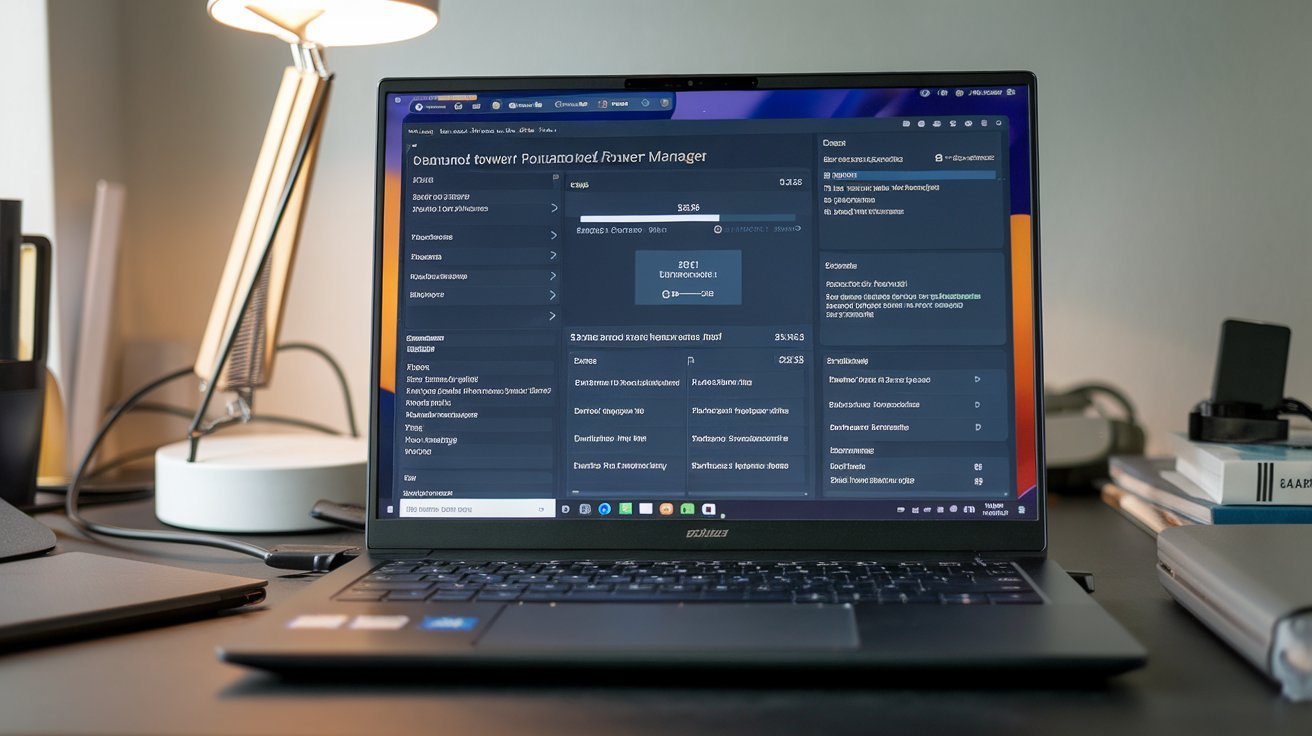
Table of Contents
ToggleModern computers, laptops, smartphones, tablets, and enterprise systems are becoming increasingly powerful, but they also consume more energy than ever before. Efficient energy management is no longer just about extending battery life—it plays a significant role in improving system performance, reducing electricity costs, minimizing hardware wear, and supporting environmental sustainability. This is where Advanced Power Manager becomes an essential tool.
Advanced Power Manager refers to sophisticated software or built-in operating system features designed to intelligently monitor, control, and optimize power consumption. Unlike traditional power-saving settings that simply dim the display or put a device to sleep after inactivity, advanced power management uses intelligent algorithms, hardware communication, workload analysis, and customized power profiles to deliver the ideal balance between performance and efficiency.
Whether you are a home user trying to maximize laptop battery life, a gamer seeking optimal performance, a business managing hundreds of computers, or an IT administrator responsible for enterprise infrastructure, understanding Advanced Power Manager can help you get more from your devices while reducing unnecessary energy consumption. This guide explores everything you need to know about Advanced Power Manager, including its features, benefits, configuration options, practical use cases, and future developments.
What Is Advanced Power Manager?
Advanced Power Manager is a collection of technologies and software features that automatically regulate how electronic devices consume electricity. It continuously monitors hardware activity—including the processor, graphics card, storage drives, display, network adapters, cooling systems, and peripherals—to determine how much power each component actually needs.
Instead of supplying maximum power at all times, Advanced Power Manager intelligently adjusts power usage based on workload. During light activities such as web browsing or document editing, the system reduces processor frequency, lowers display brightness, limits background processes, and conserves battery energy. When demanding applications such as video editing, software development, gaming, or scientific computing require additional resources, the system instantly increases performance to maintain responsiveness.
This dynamic adjustment ensures devices consume only the energy necessary for current tasks while maintaining an excellent user experience.
Why Advanced Power Management Matters
Power efficiency has become one of the most important aspects of modern computing. Batteries remain one of the most expensive and wear-prone components in portable devices, and excessive power consumption directly impacts operating costs in businesses and data centers.
Advanced Power Manager helps users reduce electricity bills, extend battery lifespan, improve hardware reliability, decrease system temperatures, minimize cooling requirements, and lower environmental impact. These benefits are especially valuable for organizations operating thousands of computers where even small efficiency improvements can produce substantial cost savings.
Key Features of Advanced Power Manager
One of the biggest strengths of Advanced Power Manager is its comprehensive collection of intelligent features.
Intelligent Battery Optimization
Battery charging algorithms prevent overcharging, excessive heat generation, and unnecessary charging cycles. Many Advanced Power Manager solutions learn user behavior and delay charging to 100% until just before the device is typically unplugged.
Dynamic CPU Performance Scaling
Modern processors continuously adjust clock speeds according to workload. During light usage, processor frequencies decrease to conserve energy, while intensive workloads trigger maximum performance automatically.
Display Power Optimization
Displays often consume significant battery power. Advanced Power Manager automatically adjusts brightness, refresh rate, screen timeout, HDR settings, and adaptive brightness depending on ambient conditions and user activity.
Sleep and Hibernate Management
Rather than leaving devices fully powered while inactive, Advanced Power Manager intelligently selects Sleep, Hibernate, or Hybrid Sleep modes based on expected inactivity periods.
Application Power Monitoring
Some applications consume excessive power in the background. Advanced Power Manager identifies resource-intensive software and recommends limiting or closing unnecessary processes.
Thermal Management
Efficient thermal management reduces processor temperatures by balancing cooling fan speed, processor performance, and system workload.
Custom Power Profiles
Users can create customized profiles such as:
- Maximum Performance
- Balanced Mode
- Battery Saver
- Silent Mode
- Gaming Mode
- Presentation Mode
- Work Mode
- Travel Mode
Each profile automatically adjusts hardware behavior according to user preferences.
Benefits of Using Advanced Power Manager
Advanced Power Manager provides numerous advantages that extend well beyond battery savings.
Longer Battery Life
Reducing unnecessary background activity and intelligently allocating power significantly increases battery runtime during daily use.
Improved Device Performance
Efficient resource allocation ensures that performance-intensive applications receive sufficient power without wasting energy during lighter tasks.
Lower Electricity Costs
Businesses operating hundreds or thousands of computers can achieve noticeable reductions in energy expenses through optimized power management.
Extended Hardware Lifespan
Lower operating temperatures reduce wear on processors, batteries, SSDs, cooling systems, and internal components.
Reduced Environmental Impact
Lower energy consumption contributes to reduced carbon emissions and supports sustainability initiatives.
How Advanced Power Manager Works
Advanced Power Manager constantly collects data from multiple hardware sensors and operating system services. It evaluates processor load, memory usage, storage activity, battery condition, thermal readings, display utilization, and network traffic.
Using this information, it dynamically adjusts power delivery in real time. Instead of relying on static power plans, many modern implementations incorporate machine learning techniques that recognize user habits and optimize energy consumption automatically throughout the day.
Advanced Power Manager in Windows
Windows includes powerful built-in power management capabilities through Power Plans and advanced settings.
Key options include:
- Balanced Mode
- High Performance
- Power Saver
- Ultimate Performance (Professional editions)
- Battery Saver
- Adaptive Brightness
- Sleep Settings
- Hibernate
- Processor Power Management
Users can customize nearly every aspect of system power behavior through the Advanced Power Options menu.
Advanced Power Manager on Android
Android devices include sophisticated battery optimization technologies that monitor application behavior and limit background activity when appropriate.
Features often include:
- Adaptive Battery
- Battery Saver
- Background App Restrictions
- Charging Protection
- Adaptive Brightness
- Intelligent Sleep Scheduling
These capabilities work together to maximize battery longevity without significantly affecting usability.
Enterprise Applications
Organizations use Advanced Power Manager software to manage large fleets of devices efficiently. Centralized management platforms allow administrators to:
- Enforce power policies
- Schedule shutdowns
- Wake computers remotely
- Monitor energy usage
- Generate efficiency reports
- Reduce operating expenses
- Improve compliance with sustainability goals
Enterprise implementations can save thousands of dollars annually in electricity costs.
Best Practices
To maximize the benefits of Advanced Power Manager:
- Keep your operating system updated.
- Enable adaptive battery or battery optimization features.
- Remove unnecessary startup applications.
- Reduce screen brightness when practical.
- Disconnect unused peripherals.
- Regularly monitor battery health.
- Use sleep mode during short breaks.
- Hibernate during extended inactivity.
- Select the appropriate power profile for each task.
Common Problems and Solutions
Battery Drains Too Quickly
Possible causes include high screen brightness, background applications, outdated drivers, or battery degradation.
Device Overheats
Inspect cooling vents, reduce unnecessary workloads, update BIOS or firmware, and ensure adequate airflow.
Slow Performance
Check whether Battery Saver mode is limiting processor speed and switch to Balanced or Performance mode when necessary.
Unexpected Sleep Behavior
Review sleep timer settings, USB wake permissions, and scheduled maintenance tasks.
Advanced Power Manager vs Standard Power Management
| Feature | Standard Power Management | Advanced Power Manager |
|---|---|---|
| Intelligent Optimization | Limited | Yes |
| Battery Learning | No | Yes |
| Custom Profiles | Basic | Extensive |
| Enterprise Support | Limited | Comprehensive |
| Real-Time Monitoring | Basic | Advanced |
| Thermal Optimization | Minimal | Extensive |
| AI-Based Decisions | No | Increasingly common |
Future of Advanced Power Management
Artificial intelligence is expected to play an increasingly important role in power optimization. Future Advanced Power Manager systems may predict workloads, optimize energy use across multiple connected devices, integrate renewable energy awareness, and coordinate with smart homes and enterprise energy-management platforms. Improvements in battery chemistry, operating systems, and hardware design will further enhance efficiency while maintaining high performance.
Conclusion
Advanced Power Manager has evolved from a simple collection of battery-saving settings into a sophisticated system for intelligent energy optimization. By dynamically balancing performance and efficiency, it helps users extend battery life, reduce electricity consumption, improve hardware longevity, and create a more sustainable computing environment. Whether you are using a Windows PC, Android smartphone, laptop, or managing enterprise infrastructure, understanding and properly configuring Advanced Power Manager can lead to noticeable improvements in everyday performance and long-term device health. As computing continues to advance, intelligent power management will remain a critical component of faster, greener, and more reliable technology.
Frequently Asked Questions (FAQ)
1. What is Advanced Power Manager?
Advanced Power Manager is a software or operating system feature that intelligently manages device power consumption to improve battery life, performance, and energy efficiency.
2. Does Advanced Power Manager improve battery life?
Yes. By reducing unnecessary power usage, limiting background activity, and optimizing hardware performance, it can significantly extend battery runtime.
3. Is Advanced Power Manager available on Windows?
Yes. Windows includes advanced power management features such as Power Plans, Battery Saver, Sleep, Hibernate, and processor power management settings.
4. Can Advanced Power Manager reduce electricity costs?
Yes. Homes and businesses can lower energy consumption by optimizing how devices use power, which may reduce electricity expenses over time.
5. Does power management affect performance?
It can. Performance modes prioritize speed and responsiveness, while battery-saving modes prioritize energy efficiency. Advanced Power Manager is designed to balance these trade-offs intelligently.
6. Is Advanced Power Manager useful for businesses?
Absolutely. Enterprise power management helps organizations centrally manage device energy use, reduce operational costs, extend hardware life, and support sustainability initiatives.
7. How often should I review my power settings?
It’s a good idea to review them after major operating system updates, when your usage patterns change, or if you notice reduced battery life or performance issues.
8. What is the difference between Sleep and Hibernate?
Sleep keeps your session in memory for a quick resume while using a small amount of power. Hibernate saves your session to storage and powers off almost completely, making it better for long periods of inactivity.

Chevrolet Hybrid SUV: Complete Guide to Chevy Hybrid Options, EV Alternatives, and What to Expect

ACEBOTT ESP32 With IR Sensor: How It Works, Wiring, Programming, and Projects

Smoke Alarm Chirp: Why It Happens and How to Stop It Safely

Cleveland Daily Banner Obituaries: A Complete Guide to Finding Recent Death Notices, Archived Records, and Memorial Tributes

104.7 Contest: Complete Guide to Enter, Rules, Prizes, and Winning Tips

Tech FeedBuzzard: The Ultimate Guide to Technology News, AI, Gadgets, and Digital Innovation
Trending
 Tech4 months ago
Cleveland Daily Banner Obituaries: A Complete Guide to Finding Recent Death Notices, Archived Records, and Memorial Tributes
- Tech4 months ago
104.7 Contest: Complete Guide to Enter, Rules, Prizes, and Winning Tips
- Technology4 months ago
Tech FeedBuzzard: The Ultimate Guide to Technology News, AI, Gadgets, and Digital Innovation
- Entertainment4 months ago
Basket Random GitHub: Complete Guide to Source Code, Gameplay, Development, and Open-Source Projects
- fitness4 months ago
H1: ABS Testauslösung – Funktion, Ursachen, Diagnose und Lösungen einfach erklärt
- Fashion4 months ago
Trendy Designs: The Ultimate Guide to Modern Style and Creative Inspiration
- Blog3 months ago
Poncho Pikachu: The Complete Guide to Pokémon’s Most Adorable and Valuable Collectible
- Entertainment4 months ago
Basketball Random.GitHub: The Complete Guide to Random Basketball Generators